Skip to content



*This blog was updated August 2026
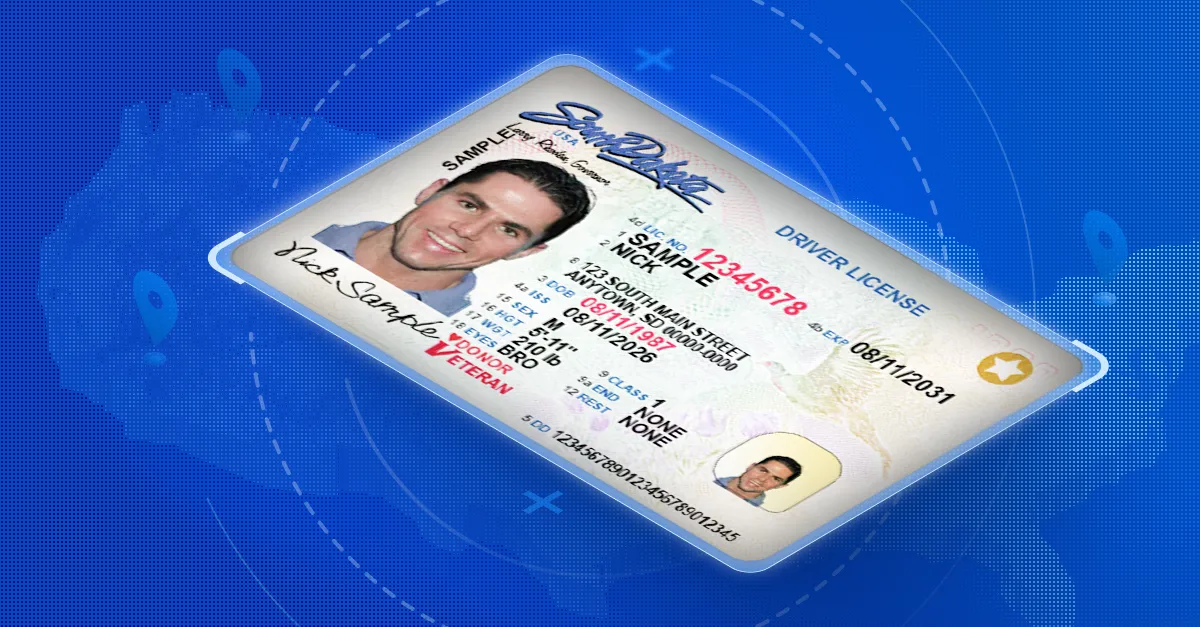
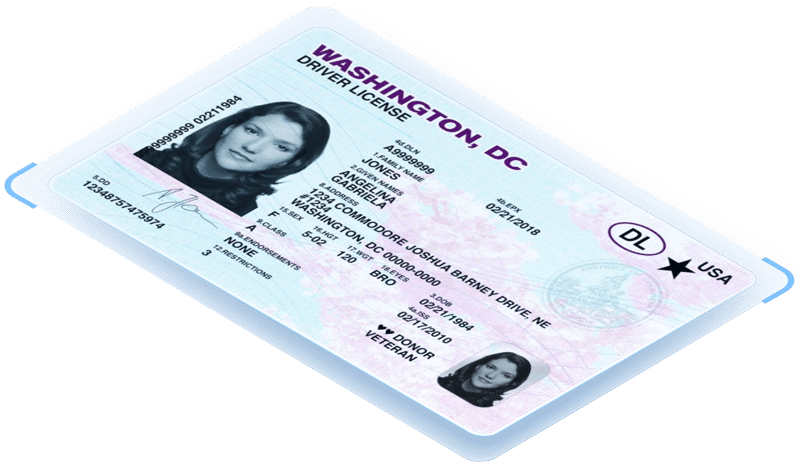
A driver’s license can contain accurate information and still be used fraudulently. A counterfeit or altered ID may display a real name, date of birth, or license number, making it difficult to determine whether the information presented is legitimate by simply scanning or visually inspecting the document.
For businesses using handheld or mobile ID scanners, our DMV API provides an additional layer of identity validation by querying available state DMV databases and returning verification results in seconds, helping businesses determine whether the information presented matches the records associated with the document.
What is DMV data verification?
DMV data verification is the process of checking information from a driver’s license or state-issued ID against records held by the jurisdiction that issued the document.
When an ID is scanned, information such as the person’s name and driver’s license number can be captured automatically. That information can then be submitted to IDScan.net’s DMV API for verification.
The API returns a match indicator for individual data elements, allowing organizations to determine whether the information submitted matches what the DMV has on file. Importantly, the API does not return raw PII from the DMV. Instead, it provides true/false indicators showing whether submitted information matches the available records.
At a minimum, a DMV verification request requires the individual’s first name, last name, driver’s license number, and issuing state.
Why add DMV checks to mobile ID scanning?
Handheld and mobile scanners make it easy to verify ID information wherever a transaction takes place. However, it is only one part of the verification process. DMV verification adds another layer by checking the information against an authoritative source.
This can be especially valuable for businesses that use mobile devices or handheld scanners where full forensic ID authentication may not be available.
With IDScan.net, DMV verification can be added to VeriScan, DIVE or as an integration into your own software as an optional check for IDs scanned from a mobile device. Businesses can run a DMV check on every scan or use it selectively for higher-risk transactions that require additional due diligence.
What can a DMV check verify?
Depending on the information available from the issuing jurisdiction, DMV verification can provide several useful checks.
- Confirm ID Issuance
A DMV query can return a yes/no result indicating whether the state has a record associated with the individual and document information submitted. This can help identify situations where the information presented does not correspond with an issued record. - Confirm Information Matches
Individual data elements submitted to the DMV can be checked against available records. This can include information such as the person’s name and driver’s license number. - Verify Address Information
Where available, the DMV API can provide a true/false result for address-related information, helping determine whether the information presented matches known records. - Confirm License Expiration
The DMV check can also help determine whether a driver’s license is voided or expired.
DMV verification vs. ID authentication
DMV Data Verification and physical ID authentication address different aspects of identity verification.
DMV Data Verification asks:
Does the information presented on the ID match records maintained by the issuing authority?
ID authentication asks:
Does the physical document contain the expected security features and appear genuine and unaltered?
These checks can complement one another.
For example, a fraudster could create a counterfeit driver’s license using the name and license number of a real person. The information could potentially match DMV records even though the physical document itself is fraudulent.
Conversely, an authentic document could belong to someone other than the presenter.
For organizations with higher fraud risk, combining document authentication with DMV verification and other identity checks can provide a more comprehensive approach to identity verification.
DMV verification for industries using mobile and handheld ID scanners
DMV checks would be a great fit for businesses such as financial institutions, retail, casinos, hotels, nightclubs and bars, car rental companies, and dispensaries.
Employees working outside of a traditional office environment may rely on handheld scanners or mobile devices to verify a person’s identity, or certain businesses may not want to upgrade their existing hardware to authentication scanners. Adding DMV verification to these workflows provides another way to validate the information captured from the document.
Where Can IDScan.net’s DMV API Be Used?
IDScan.net provides several ways to incorporate DMV data verification into an identity verification workflow.
VeriScan
DMV verification can be added to VeriScan to provide an additional validation layer for IDs scanned using mobile devices. Businesses can configure checks to run on every scan or use them selectively for higher-risk transactions.
DIVE
DMV checks can also be added to DIVE, IDScan.net’s digital identity verification solution, as an additional layer of security and fraud prevention. Organizations can choose to add the check to some or all verification workflows.
API Integration
Organizations that already have their own applications or identity verification workflows can integrate directly with IDScan.net’s DMV API. This allows businesses to incorporate DMV checks directly into their existing software rather than building their own connections to individual state systems.
How Many States Are Available?
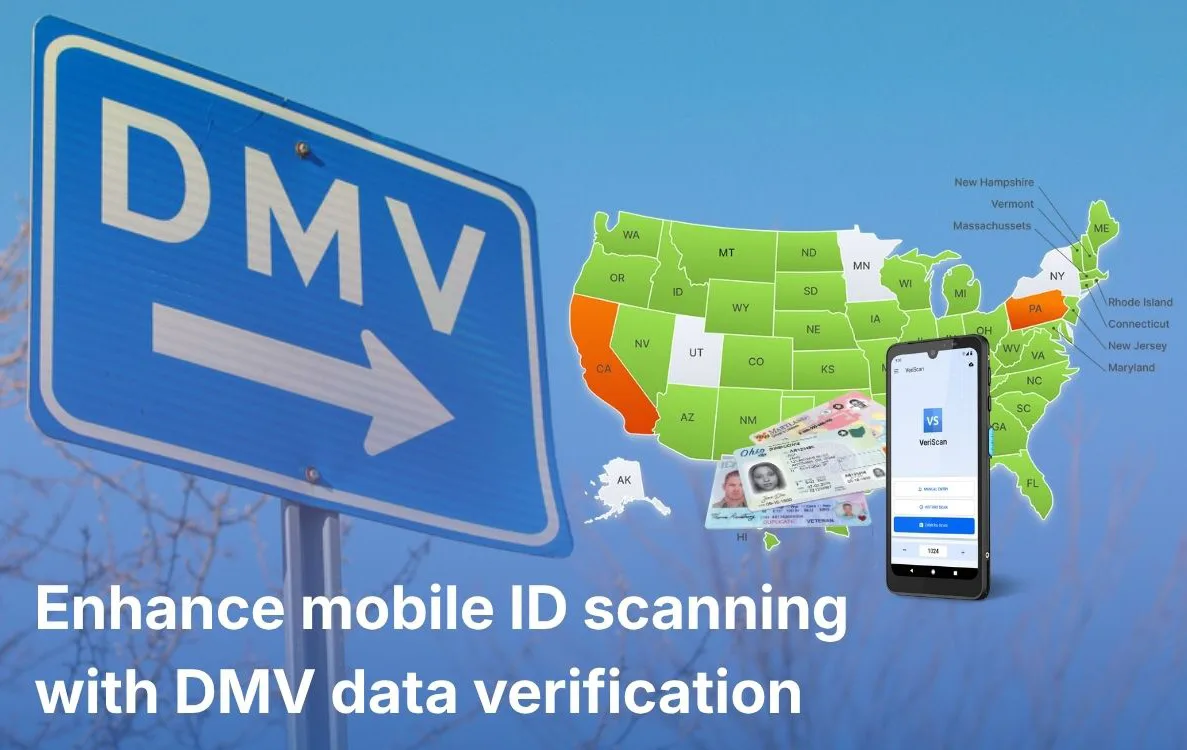
IDScan.net’s DMV API currently provides access to more than 40 states, with additional jurisdictions being added over time. Availability varies by state because individual jurisdictions determine who can access their DMV databases and under what circumstances.
Some states restrict DMV database access to government entities or other authorized organizations. For states where DMV verification is unavailable, IDScan.net recommends using alternative identity verification services, such as IdentiFraud, as a potential fallback.
Strengthen Your ID Verification with DMV Data Verification
For businesses relying on mobile ID scanning or not using authentication scanners, checking submitted information against available DMV records adds another layer of confidence that the identity information presented is legitimate and corresponds with an issued record.
Add DMV Data Verification to VeriScan, DIVE, or your own application to take your ID scanning process one step further.