Skip to content



Psychedelics are moving from the fringes of public policy into the center of serious legislative, medical, and regulatory conversations across the United States. Substances such as psilocybin, MDMA, mescaline, and DMT, once discussed almost exclusively in criminal law contexts, are now the subject of ballot initiatives, therapeutic licensing programs, and state-led regulatory frameworks.
While federal law still classifies most psychedelics as Schedule I substances under the Controlled Substances Act, a growing number of states are creating pathways for legal, regulated, adult access in supervised environments. Nearly all of these emerging frameworks have one thing in common:
Access is limited to adults 21 and older, and operators are expected to enforce that age requirement.
This shift introduces a new compliance reality. As psychedelics move toward regulated use models similar to alcohol, cannabis, and vape, age verification and ID scanning are becoming foundational compliance requirements for any licensed facilitator, healing center, or dispensing location.
The current federal legal status of psychedelics
At the federal level, psychedelics, including psilocybin, MDMA, LSD, and mescaline, remain Schedule I drugs. This means they are considered to have no accepted medical use and a high potential for abuse under federal law.
However, federal enforcement priorities have increasingly shifted as states develop their own regulated frameworks. Federal reform efforts such as the VISIONS Act have been introduced to protect state-legal psychedelic programs from federal interference, signaling that Washington recognizes the momentum at the state level.
Importantly, there is no federal statute yet that outlines age-verification requirements for psychedelic access the way federal law does for alcohol or tobacco. Instead, age controls are being written directly into state legislation and regulatory programs.
The state-led shift toward regulated psychedelic access
Several states are actively developing or have passed legislation that allows regulated access to psychedelics for adults 21+ in supervised, licensed environments.
These programs are not decriminalization alone. They are structured regulatory systems involving:
- Licensed facilitators
- Approved healing or service centers
- State oversight
- Explicit age restrictions
- Compliance obligations for operators
Active Psychedelic Legislation
Colorado – Proposition 122
Colorado became a national leader with the passage of Proposition 122, creating licensed psychedelic “healing centers” where adults 21+ can access natural psychedelics, including psilocybin, in supervised settings. While the statute focuses on licensing and safety, operators are responsible for ensuring that only eligible adults are admitted and served.
Pending Psychedelic Legislation
Illinois – Psilocybin Regulation Bills (HB 1143 / SB 2184)
Illinois has pending legislation that would not only legalize the sale of use of psilocybins, but goes a step further by explicitly empowering regulators to require proof that individuals are 21+ before accessing licensed psychedelic services. This language directly introduces age verification as a compliance expectation.
Massachusetts
Massachusetts is pursuing several legislative paths simultaneously, signaling strong momentum toward regulated psychedelic access. House Bill H4050 proposes the confirmation of a regulated psilocybin market with licensed purchase and access provisions for adults. Additional bills, including H2532, H2203, and Senate Bill S1113, focus on therapeutic pilot programs and Department of Public Health-supervised psilocybin use.
Across these proposals, the common thread is adult eligibility being 21+ within structured, supervised, or licensed environments, all of which will require operators to reliably verify age as part of compliance.
New Hampshire – HB 528
In New Hampshire, House Bill 528 represents a more targeted reform effort focused on legalizing possession, use, and transportation of psilocybin for individuals 21+. The bill is currently active in committee and differs from broader past legalization attempts by centering specifically on adult access and age-based protections. While it does not yet outline a commercial sales model, the explicit 21+ language establishes a statutory age floor that any future regulatory or licensed framework would need to enforce through reliable age verification.
New York – A2142
In New York, Assembly Bill A2142 is under review in the State Assembly and proposes a regulated framework for adult access to psilocybin. Rather than simple decriminalization, the bill outlines a structure that would remove psilocybin from the state’s controlled substances schedule and establish a permitting and licensing system for legal adult use. Committee hearings and testimony have already taken place, signaling serious legislative consideration. The proposal consistently references adult eligibility, with access limited to those 21 years of age and older, placing responsibility on future operators to ensure age compliance within any approved service or dispensing model.
Rejected Psychedelic Legislation
California – SB 1012
California’s proposed SB 1012 would have allowed adults 21+ to access substances like psilocybin, MDMA, and mescaline in regulated therapeutic settings. The bill emphasized trained facilitators and licensed locations, placing responsibility on providers to enforce age eligibility. However, the bill was rejected, and it remains unclear whether additional efforts will be brought forth in California’s legislative landscape.
Why age verification is becoming central to psychedelic compliance
Every emerging psychedelic framework shares a core principle:
Psychedelics are not for minors.
As states formalize rules for facilitators and healing centers, operators will be held accountable for ensuring that:
- No one under 21 is admitted
- No services are provided to minors
- Accurate records of access are maintained
- Staff are not relying on visual inspection of IDs
This mirrors similar compliance expectations already seen in dispensaries, alcohol retailers, vape shops, and casinos.
In each of these industries, regulators have learned that manual ID checks are not sufficient. Human error, fake IDs, and lack of audit trails create liability.
As more legislation surrounding psychedelic legality emerges, retailers and distributors are heading toward the same compliance reality.
Anticipating age verification requirements in psychedelic regulations
Although many current bills do not yet explicitly say “ID scanning required,” the structure of these programs strongly suggests that regulators will adopt familiar compliance tools from alcohol and cannabis industries.
This includes:
- Mandatory age verification at entry as well as checkout
- Digital records of visitor age checks
- Prevention of underage access
- Documentation for inspections and audits
As psychedelics move into regulated therapeutic and service environments, operators face significant liability if minors gain access. Because these programs are new, regulators will be especially cautious. Early enforcement actions are likely to be strict to set precedent. Operators who proactively implement ID scanning will be positioned ahead of regulatory mandates.
How IDScan.net helps psychedelic operators ensure compliance
IDScan.net and VeriScan Identity Platform are already trusted across highly regulated industries where age compliance is critical. The same technology is directly applicable to psychedelic healing centers, facilitators, and licensed service providers.
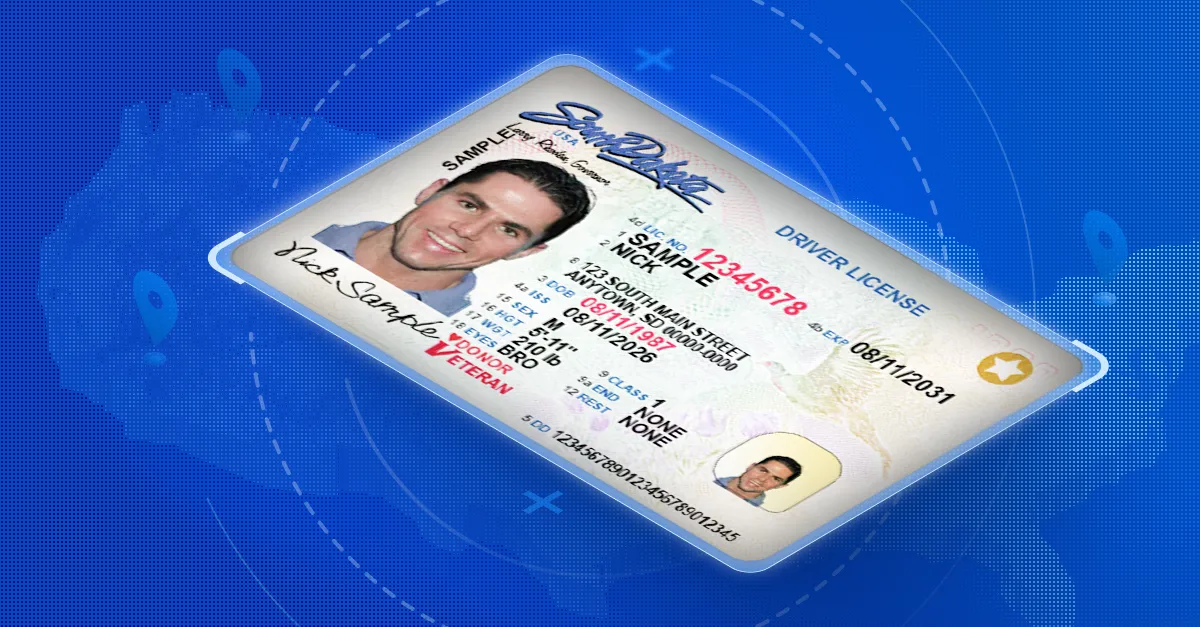
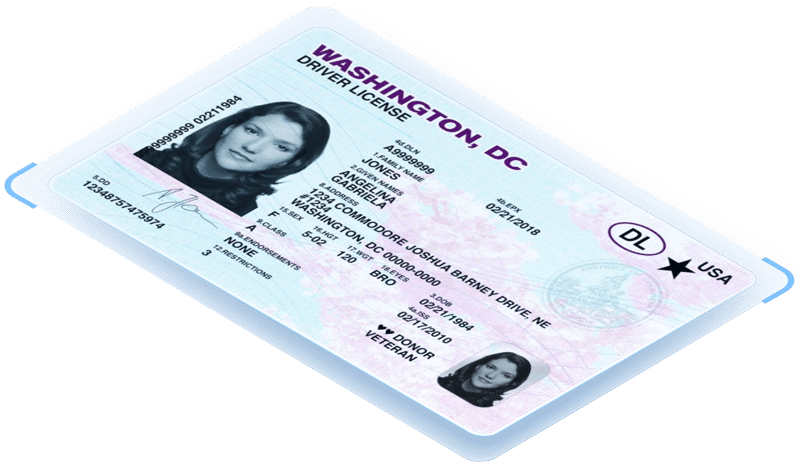
VeriScan can instantly determine whether an individual is 21+ by reading the barcode and security features of government-issued IDs, removing guesswork from staff. Additionally, advanced forensic checks identify counterfeit, altered, or expired IDs that visual inspection would miss.
Not only does scanning IDs create a streamlined check-in experience while ensuring strict compliance with age rules, but every scan creates a timestamped log proving that age verification occurred. This becomes critical during regulatory inspections.
As psychedelic laws evolve, operators already using ID scanning will be prepared for any formal requirement without needing to change processes.
Final Thoughts
Psychedelics are entering a new legal era across the United States, with states building regulated frameworks that mirror the compliance expectations long established in alcohol and cannabis. As therapeutic and supervised access expands, operators will be responsible for enforcing strict 21+ age requirements and proving that those safeguards are consistently followed.
ID scanning is rapidly shifting from a convenience to a compliance necessity. With solutions like VeriScan, psychedelic healing centers, facilitators, and licensed providers can accurately verify age, prevent underage access, detect fake IDs, and maintain audit-ready records, positioning themselves ahead of evolving regulations and prepared for the compliance standards of tomorrow.