Skip to content




In the world of identity validation, terms like ID parsing, ID verification, and ID authentication are often used interchangeably. But in practice, they represent very different layers of technology, and understanding those differences is critical for building a secure, compliant, and effective identity workflow. Whether you’re in financial services, age-restricted retail, or supply chain, knowing how these pieces fit together can make the difference between stopping fraud and letting it slip through.
What is ID parsing?
ID parsing is the foundational step in the identity workflow. At its core, parsing is simply the act of extracting data from an identity document, such as a driver’s license, passport, or ID card.
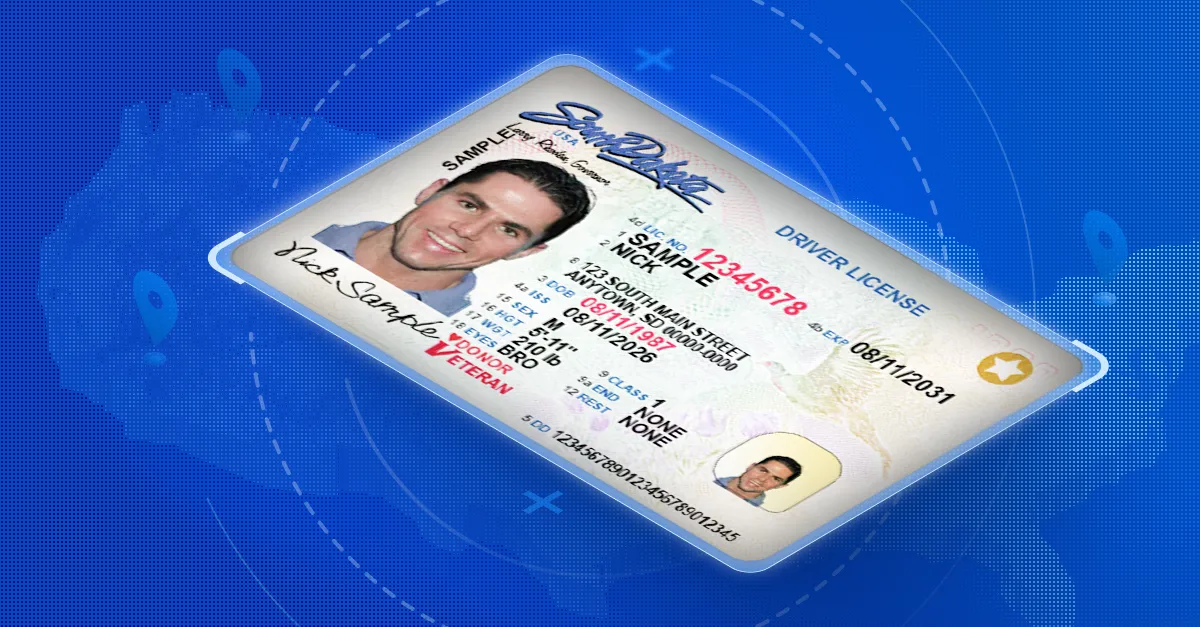
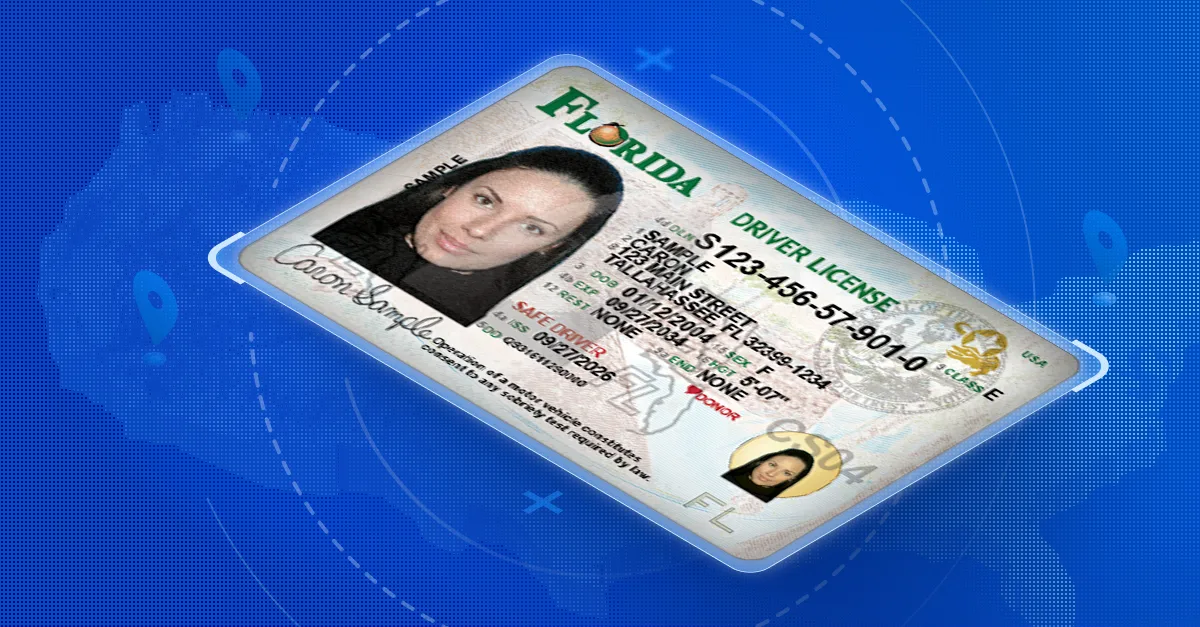
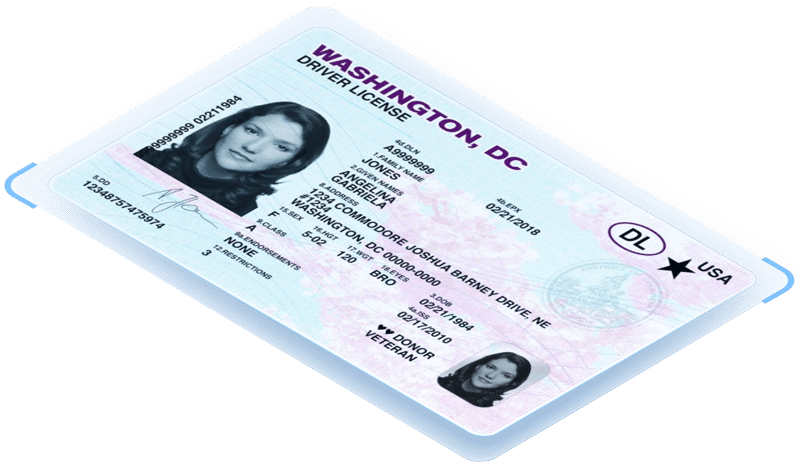
When an ID is scanned, parsing software reads the barcode, magnetic stripe, or machine-readable zone (MRZ) and converts that encoded information into structured, usable data fields. This typically includes:
- Name
- Date of birth
- Address
- ID number
- Expiration date
Parsing is fast and efficient, and it eliminates manual data entry errors. However, it’s important to understand what parsing does not do: it does not validate whether the ID is real, altered, or belongs to the person presenting it.
ID parsing tells you what the ID says, not whether you can trust it.
What is ID verification?
ID verification builds on parsing by adding a layer of logical validation. Once the data is extracted, verification processes check whether the information is consistent, plausible, and meets predefined rules.
This can include checks such as:
- Is the ID expired?
- Is the date of birth valid and logical?
- Does the ID format match issuing authority standards?
- Are required fields present and correctly structured?
Verification may also involve cross-referencing external databases or applying business rules (e.g., confirming someone is over 21 for age-restricted purchases).
While verification improves confidence in the data, it still does not definitively prove that the ID itself is genuine or unaltered.
ID verification tells you whether the data makes sense.
What is ID authentication?
ID authentication is the most advanced and security-focused layer. This is where technology determines whether an ID is genuine and unaltered, using forensic-level analysis via a combination of identity verification software, like VeriScan, and an authentication-capable ID scanner.
Authentication solutions analyze a wide range of security features, which may include:
- Holograms and optically variable elements
- UV and infrared patterns
- Microprinting and fine-line patterns
- Barcode integrity and cryptographic signatures
- Template matching against known government-issued IDs
Advanced ID authentication systems may also detect signs of tampering, duplication, or synthetic identity fraud.
Unlike ID parsing and ID verification, ID authentication is specifically designed to answer the question: Is this ID real?
ID authentication tells you whether the ID itself can be trusted.
How these three layers work together
Rather than choosing one over the other, effective identity solutions combine all three:
- Parsing captures the data quickly and accurately
- Verification ensures the data is logical and compliant
- Authentication confirms the document is legitimate
Together, they create a layered defense strategy that balances speed, user experience, and fraud prevention. Skipping any one of these steps can introduce risk, whether it’s accepting fake IDs, missing compliance requirements, or relying on incomplete data.
How IDScan.net delivers a complete identity solution
At IDScan.net, parsing, verification, and authentication aren’t treated as separate capabilities; they’re integrated into a single, streamlined workflow designed to maximize both speed and security.
The process begins with high-accuracy ID parsing, instantly capturing and structuring data from an extensive range of global identity documents. From there, built-in verification logic evaluates that data in real time, checking for expiration, formatting inconsistencies, and business rule compliance such as age validation or required field presence.
What sets VeriScan and ParseLink apart is the addition of advanced authentication technology layered on top. By analyzing document-level security features and comparing them against a robust library of known ID templates, IDScan.net helps detect fraudulent, altered, or synthetic IDs that would otherwise pass basic checks, all in just a few seconds.
Because these three components operate together within a single system, businesses don’t have to sacrifice speed for security, or vice versa. The result is a well-rounded identity solution that:
- Reduces manual entry and human error
- Improves compliance with regulatory requirements
- Detects both simple and sophisticated fraud attempts
- Delivers fast, seamless user experiences
Instead of piecing together multiple tools, organizations can rely on a unified approach that covers the full identity lifecycle, from data capture to fraud detection.
Why the distinction matters
For businesses evaluating identity solutions, misunderstanding these terms can lead to costly gaps. A system that only parses IDs may seem fast, but offers little protection against fraud. Verification alone may catch simple errors but miss sophisticated fakes. Authentication without proper parsing and verification can slow workflows and create unnecessary friction.
The key is alignment: choosing the right combination of technologies based on your industry, risk tolerance, and regulatory environment.
Final thoughts
ID parsing, ID verification, and ID authentication each play a distinct role in the identity ecosystem. They are not interchangeable, they are complementary.
Understanding how they differ, and how they work together, allows organizations to design smarter, more secure identity workflows that protect both their business and their customers.