Skip to content



ID scanning is often viewed as a frontline defense, catching fake IDs at the point of entry. But the real value extends far beyond that moment. Every scan creates a data point, and over time, those data points form a powerful intelligence layer. When properly analyzed, your ID scan logs can reveal emerging fraud patterns, demographic shifts, compliance risks, and operational blind spots, turning a reactive process into a proactive fraud prevention strategy.
ID scan logs | Your most underutilized fraud intelligence tool
Every ID scan captures more than just a pass/fail result. It records:
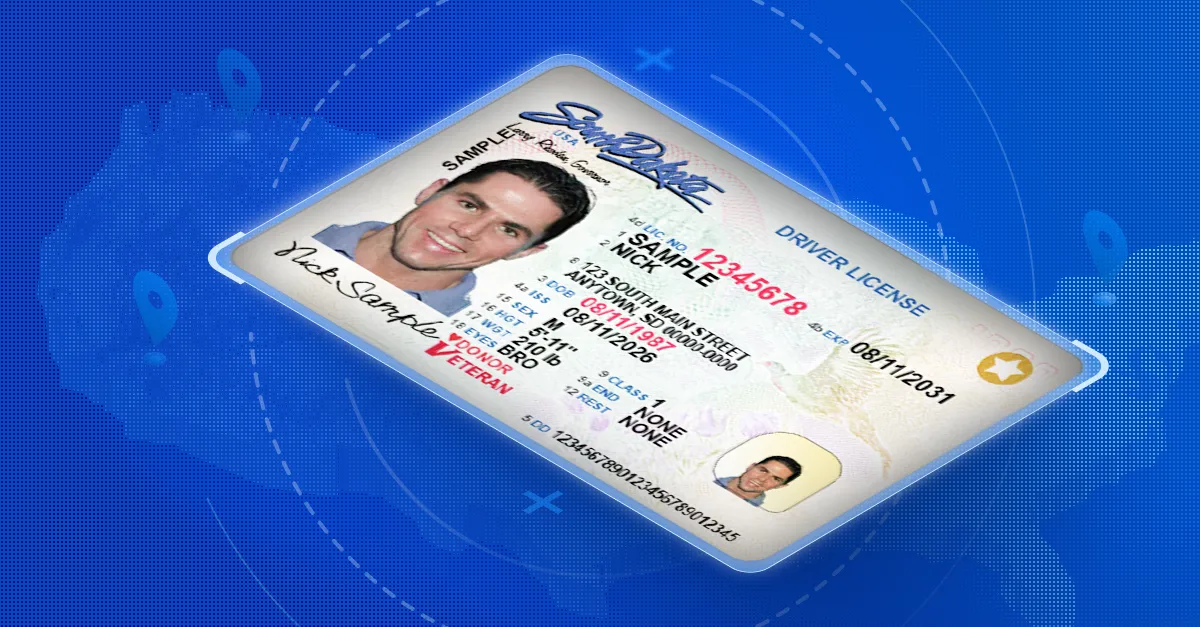
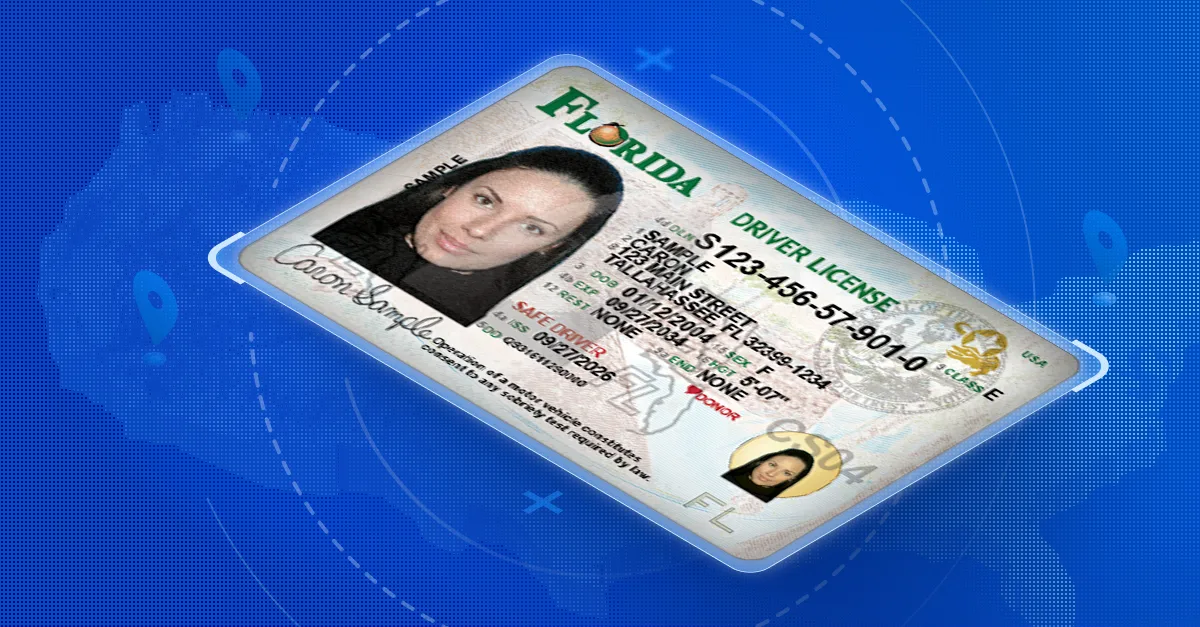
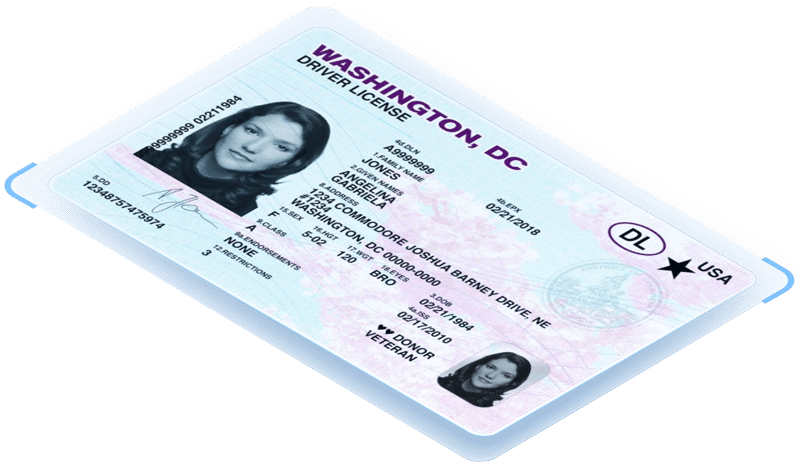
- Document data (name, DOB, expiration, issuing state)
- Scan metadata (time, location, device)
- ID authentication results (barcode validation, UV/IR checks, etc.)
- Outcomes (valid, expired, suspected fake, flagged)
With solutions like VeriScan Identity Platform, these logs are automatically stored in a private, searchable database, complete with images (when paired with the appropriate ID scanner), visit history, and customizable tags.
These records create a continuously growing dataset that allows businesses to move from isolated decisions to trend-based analysis.
In fact, some organizations leveraging IDScan.net solutions are processing millions of identity verification transactions monthly, generating one of the most robust fraud datasets in the industry.
Identifying ID fraud patterns across time and location
One of the most immediate insights from ID scan logs is when and where fraud is happening.
Fraud is rarely random. It clusters:
- Time-based trends: Certain days, shifts, or seasons see spikes
- Location-based patterns: Specific sites or regions experience higher fraud rates
- Event-driven surges: Promotions, peak shipping periods, staffing shortages, or geopolitical fluxes can increase risk
For example, IDScan.net data shows that fraud attempts reached their highest levels in Q4, particularly in high-risk industries like finance and logistics.
In logistics specifically, ID fraud is increasingly concentrated in major hubs and freight corridors, where high-value goods and operational pressure create opportunity.
By analyzing your own logs, you can:
- Increase staffing or verification rigor during high-risk periods
- Deploy stricter authentication rules at vulnerable locations
- Detect coordinated fraud attempts across multiple sites
Detecting document and behavior-based fraud trends
Your logs also reveal how ID fraud is being attempted, not just when.
Across IDScan.net datasets, fraud has evolved significantly:
- Synthetic identities and manipulated documents are rising
- Fraudsters are targeting industries beyond hospitality, especially logistics and finance
- Organized networks are exploiting operational gaps
In cargo and logistics, for example, 3.19% of IDs scanned were fraudulent or expired, significantly higher than traditional age-restricted environments.
Additionally, fraud attempts increased 213% from 2023 to 2024, followed by another 30% increase in 2025, highlighting a sustained upward trend.
By mining your logs, you can uncover:
- Frequently used fake ID formats or issuing states
- Repeat offenders or coordinated attempts
- Patterns like expired ID usage or altered barcodes
This allows you to adapt verification rules and train staff based on real-world threats, not assumptions.
The role of demographics in ID fraud detection and compliance
Why demographics matter
Demographic data, such as age, gender, and issuing state, plays a critical role in both fraud detection and regulatory compliance.
From a fraud perspective, findings show:
- The average age of fraud attempts is 31
- Fraud attempts are more commonly associated with male identities
- Certain issuing states (e.g., western U.S. states) appear more frequently in fraudulent IDs
These patterns don’t imply causation, but they provide risk indicators that can be layered into fraud detection models.
Compliance applications
Demographic insights are equally important for compliance:
- Age-restricted industries (alcohol, cannabis, gaming): Verifying DOB and tracking repeat attempts protects against regulatory penalties
- Financial services (KYC/AML): Monitoring identity consistency and demographic anomalies helps meet compliance obligations
- Supply chain and logistics compliance: Ensuring valid, non-expired IDs for drivers and contractors reduces liability
For example, one warehouse using VeriScan identified over 100 expired IDs presented monthly, a key compliance risk that would have been difficult to track manually.
Beyond compliance: Operational value
Demographics also support broader business insights:
- Customer segmentation and experience optimization
- Identifying VIPs or repeat visitors
- Enhancing security through watchlists and alerts
When combined with fraud signals, demographic data becomes a powerful dual-purpose tool, supporting both risk mitigation and business intelligence.
Building a fraud intelligence loop with VeriScan
Modern ID scanning platforms like VeriScan don’t just capture data, they enable continuous improvement.
With features like:
- Centralized ID scan logs and visitor records
- Tagging (VIP, banned, flagged)
- Real-time alerts and rule-setting
- Cross-location data sharing
Businesses can create a feedback loop where every scan strengthens future decisions.
In practice, this has a measurable impact. One logistics facility using VeriScan:
- Verified over 18,800 identities
- Prevented 23 fraudulent access attempts
- Reduced operational risk and improved auditability
More importantly, they gained visibility, turning previously untrackable risks into actionable insights.
From ID scan logs to strategy
The difference between simply scanning IDs and truly leveraging them comes down to how you use your data.
Organizations that analyze their ID scan logs can:
- Anticipate fraud trends before they escalate
- Align compliance efforts with real-world risks
- Improve operational efficiency and customer experience
- Reduce losses across multiple fraud vectors
In an environment where fraud is becoming more sophisticated and organized, relying on point-in-time verification is no longer enough.
Your ID scan logs already contain the answers, you just need to use them.
Final thoughts
ID scanning is no longer just a compliance checkbox or security measure, it’s a strategic data asset.
With tools like VeriScan and a commitment to analyzing ID scan history, businesses can shift from reactive fraud detection to proactive fraud intelligence.
And in today’s landscape, where fraud is rising across industries, becoming more targeted, and increasingly data-driven, that shift is paramount to your business survival.