Skip to content


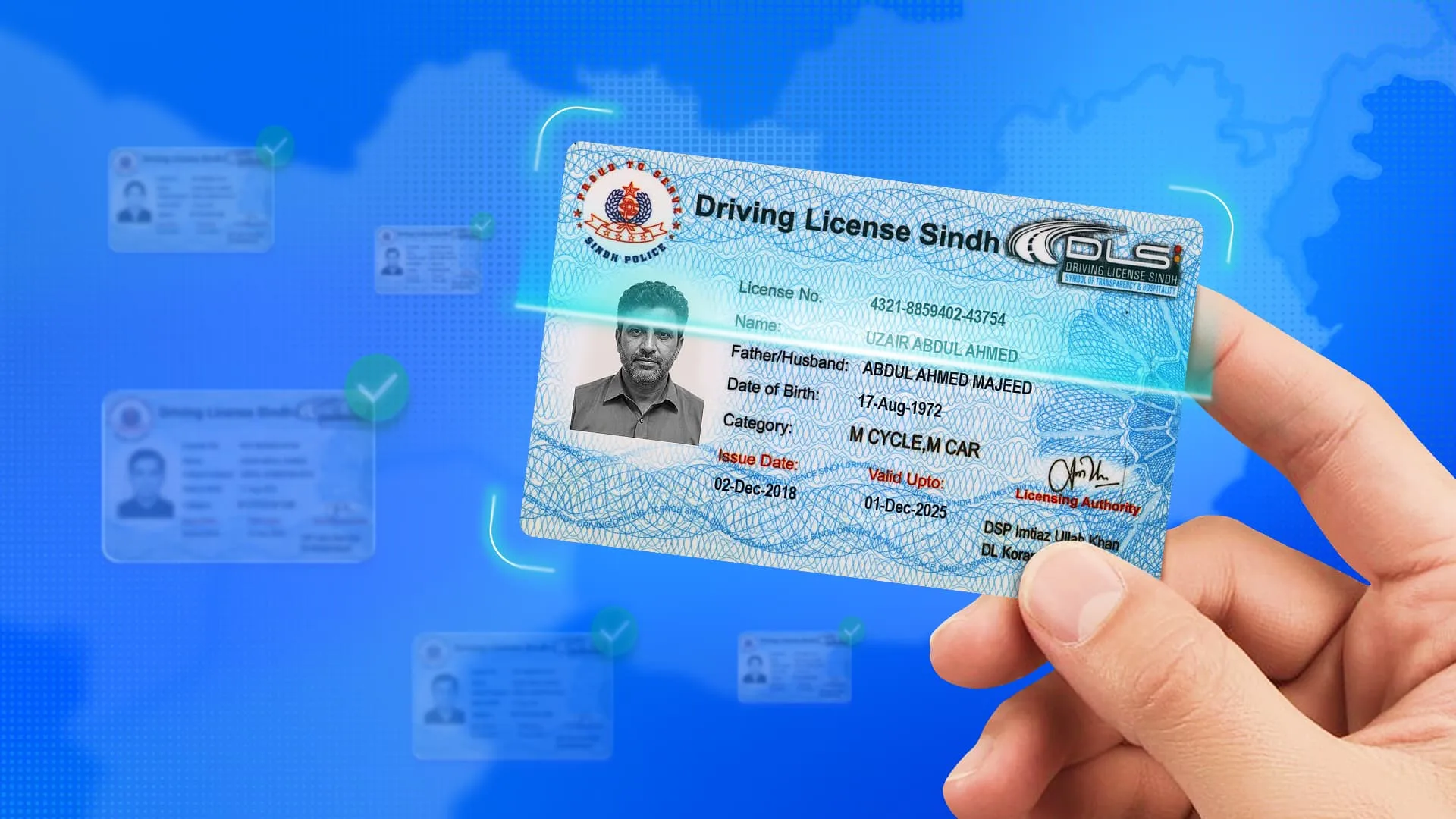

Understanding Pakistani identification documents is essential for businesses and organizations that need to verify the identities of Pakistani nationals. Pakistan’s administrative structure adds complexity to the verification process, as each administrative unit issues IDs with different formats and security features. While being familiar with Pakistan’s many identity documents can be helpful for verifying identity, an identity verification solution ensures that each document is thoroughly authenticated to prevent fraud attempts.
Challenges of verifying Pakistani IDs
Unlike countries with standardized national identification systems, Pakistan’s federal structure means that driver’s licenses vary significantly depending on which province or territory issued them. While the Computerised National Identity Card (CNIC) maintains consistency across the country, regional driver’s licenses across administrative units each have their own unique designs, security features, and data layouts.
Pakistan IDs and drivers licenses
Understanding the specific features of each ID type can help businesses properly verify these documents.
How to verify Pakistan International Driving Licenses (IDL)
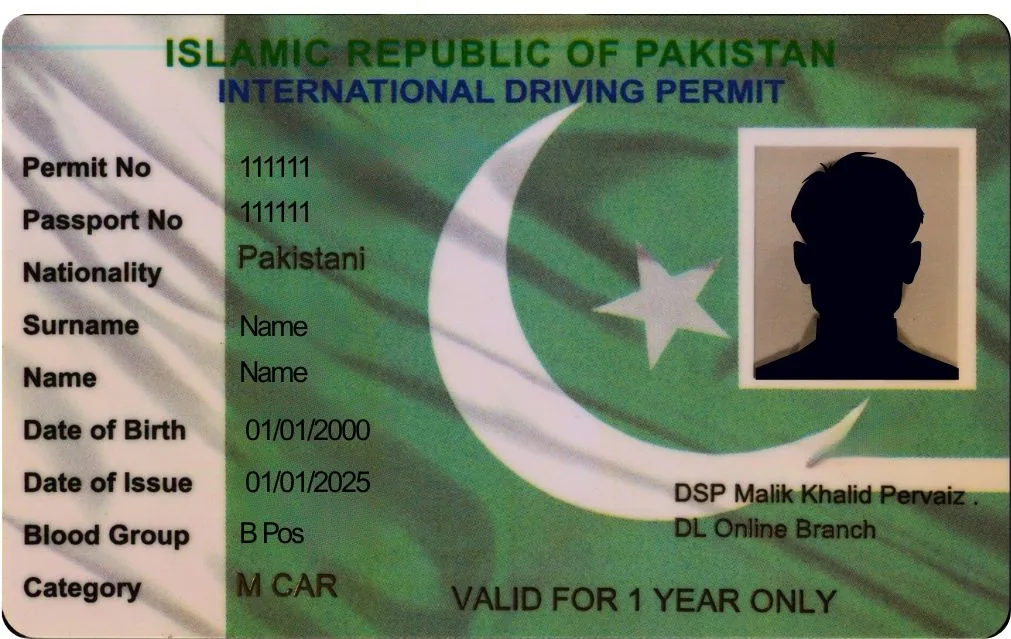
The Pakistan International Driving License is one of the most commonly encountered Pakistani documents for international verification. This license allows Pakistani citizens to legally drive in 132 countries worldwide, including the United States, Canada, and Australia, making it a frequently presented document for identity verification purposes.
Information included on Pakistan’s IDL includes:
- Background of Pakistan’s flag
- Cardholder’s photo
- Personal information, including nationality, name, date of birth, and blood type
How to verify Pakistan’s Computerised National Identity Cards (CNIC)
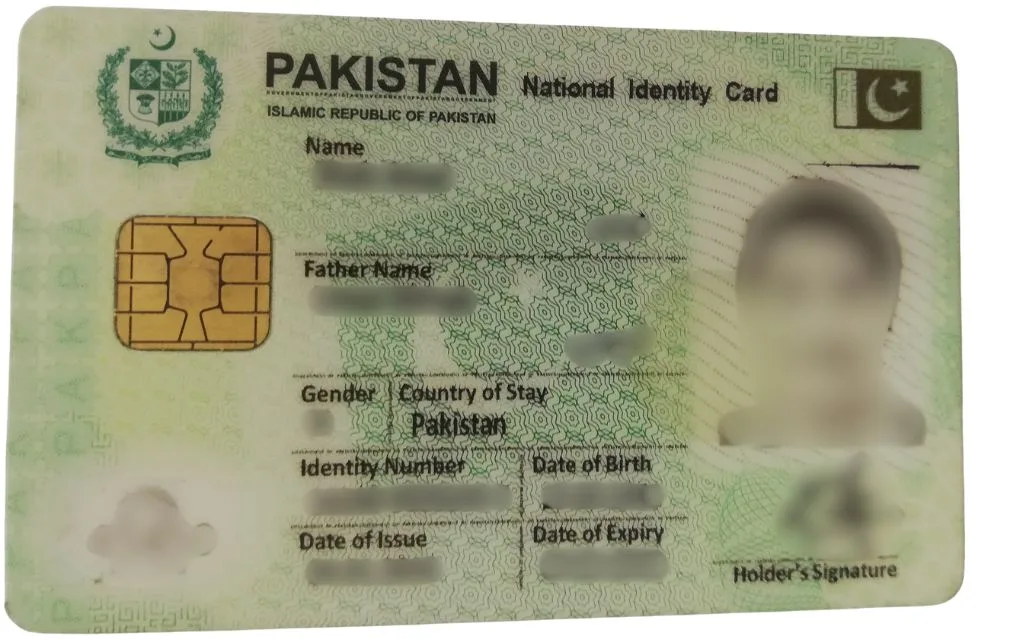
The Computerised National Identity Card (CNIC) is part of Pakistan’s standardized national identification system. Issued by Pakistan’s National Database & Registration Authority (NADRA), this card maintains a consistent format across all administrative units, with slight variations between cards issued to citizens living in Pakistan and those residing abroad.
While not technically mandatory by law, the CNIC is essential for Pakistani citizens. It’s required for voting, passport applications, land purchases, vehicle purchases, driver’s license acquisition, utility service access, education and healthcare access, and financial transactions. Without a CNIC, citizens face significant barriers to accessing basic services and exercising their rights.
Information and features on all CNICs:
- Images of Pakistan’s flag and emblem
- Cardholder’s name, father’s name (or husband’s name for married women) in both English and Urdu
- Cardholder’s gender, country of residence, identity number, and date of birth in English
- Cardholder’s photo and signature
- Card issue date and expiration date (expiration date is printed as “lifetime” for cardholders older than 60)
- A QR code and RFID chip
- Security features, including guilloche patterns, microprint, and ghost images
The back of Pakistan’s CNIC differs based on residence. Differences include:
- Both templates contain the cardholder’s present address and permanent address, but it is written in Urdu for citizens living in Pakistan and in English for those residing outside the country
- An MRZ for citizens living outside of Pakistan
How to verify drivers licenses from Islamabad, Pakistan
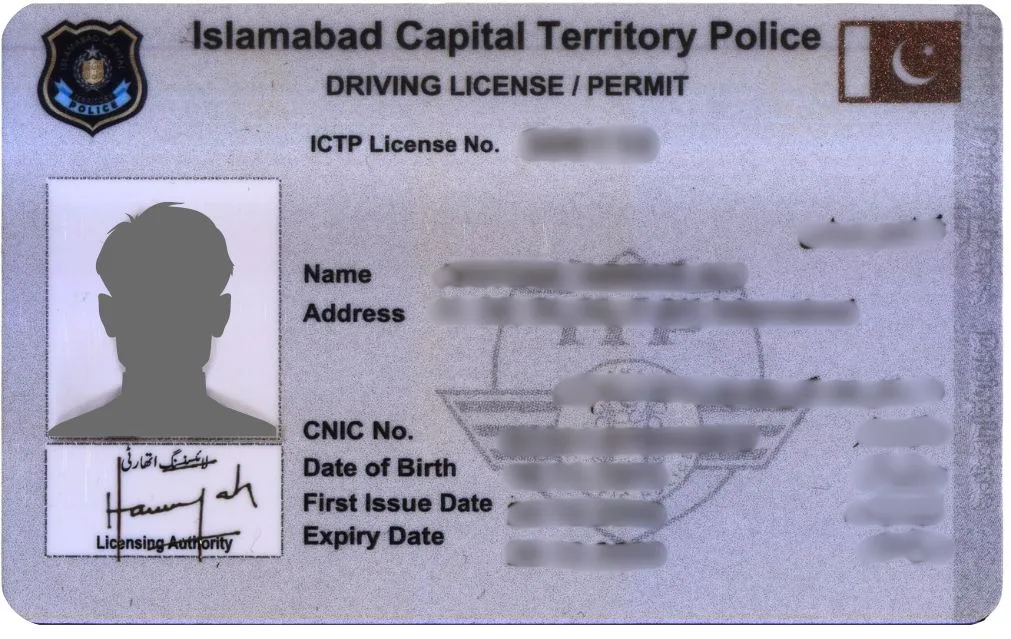
Issued in Pakistan’s capital territory, the Islamabad driver’s license has its own distinct format and security features specific to the region.
Information included on Islamabad driving licenses includes:
- Images of Pakistan’s flag and the Islamabad Capital Territory Police emblem
- Cardholder information in both English and Urdu, including name, address, CNIC number, and date of birth
- Cardholder’s photo
- Cardholder information, including name, address, date of birth, and CNIC number
How to verify drivers licenses from Punjab, Pakistan
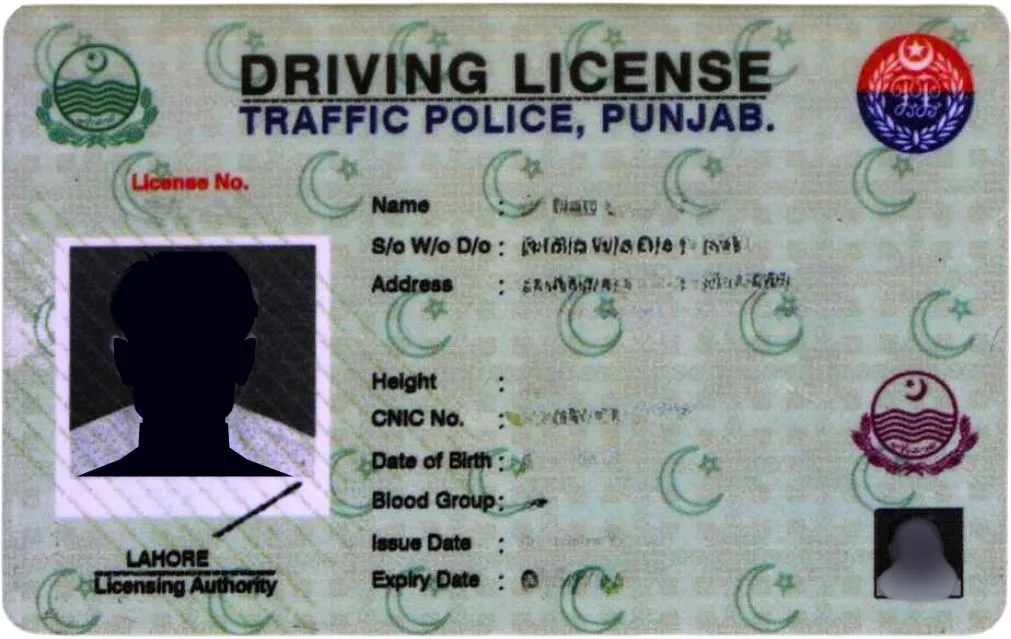
Punjab, Pakistan’s most populous province, issues driver’s licenses with distinctive regional identifiers, including:
- Images of Punjab’s coat of arms and emblem
- Cardholder information, including name, father’s name (or husband’s name for married women), height, CNIC number, date of birth, license number, and blood type, all written in English
- A QR code
- Security features, including patterns, microprint, and a ghost photo
How to verify drivers licenses from Sindh, Pakistan
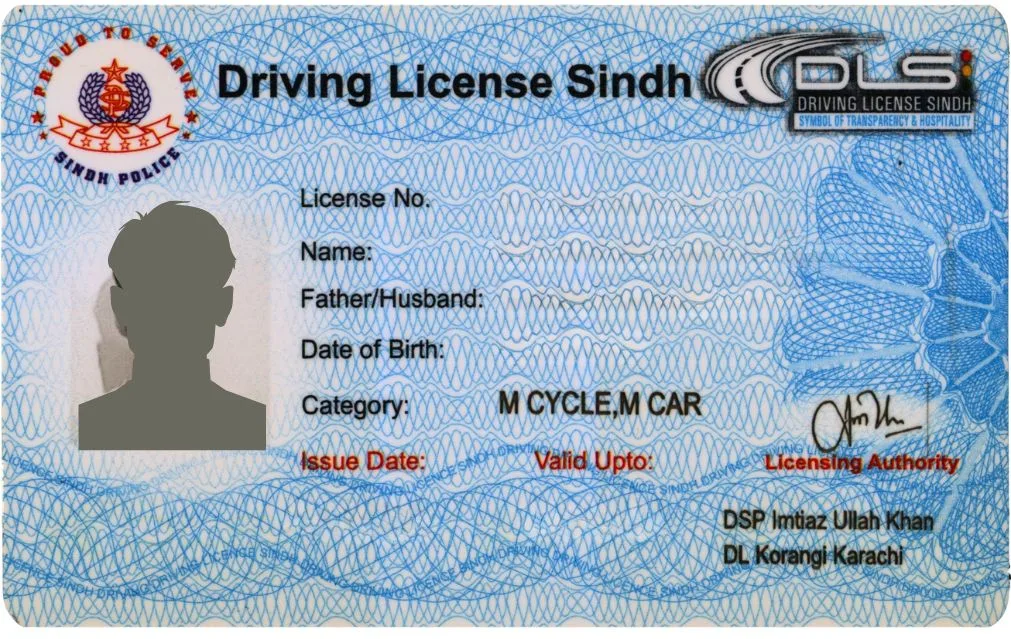
Features of driving licenses from Sindh include:
- Images of the Sindh police crest and Driving License Sindh (DLS) logo
- Cardholder information, including name, father’s name (or husband’s name for married women), license number, and date of birth
- Security features, including guilloche patterns throughout
How to verify passports from Pakistan
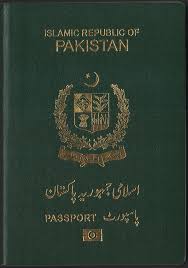
Pakistani passports are issued by the Directorate General of Immigration & Passports, under the authority of the Ministry of Interior. Pakistan currently issues Machine Readable Passports (MRP) and has been transitioning to biometric e-Passports with enhanced security features.
Pakistan issues several types of passports, identifiable by their cover color. The standard passport for ordinary citizens has a dark green cover, which is the most commonly encountered type. Diplomatic passports feature a maroon cover, while official passports (for government officials traveling on official business) have a dark blue cover. Special passports may be issued for Hajj pilgrims with specific validity periods.
Pakistan’s biometric e-Passports have embedded electronic chips that store the holder’s biometric data. These passports display the international e-Passport symbol on the front cover, a rectangular icon with a circle and chip design. The embedded chip contains a digital photograph, fingerprint data, and other biometric information that can be verified electronically at border control points equipped with appropriate readers.
Best practices for verifying IDs and drivers licenses from Pakistan
When verifying Pakistani identification documents, it’s crucial to be familiar with the different formats across administrative regions. For driver’s licenses, verify that the regional emblems, logos, and layout match the claimed issuing authority. Check for the presence of appropriate security features—ghost photos, guilloche patterns, microprint, and QR codes should be present and properly executed.
Summary
Verifying Pakistani identification documents requires understanding the country’s complex system of regional and national IDs. Unlike many countries with fully standardized identification, Pakistan’s administrative structure means that driver’s licenses vary significantly by province, with distinct formats, security features, and data layouts, making ID verification software essential for businesses verifying these documents.