Skip to content


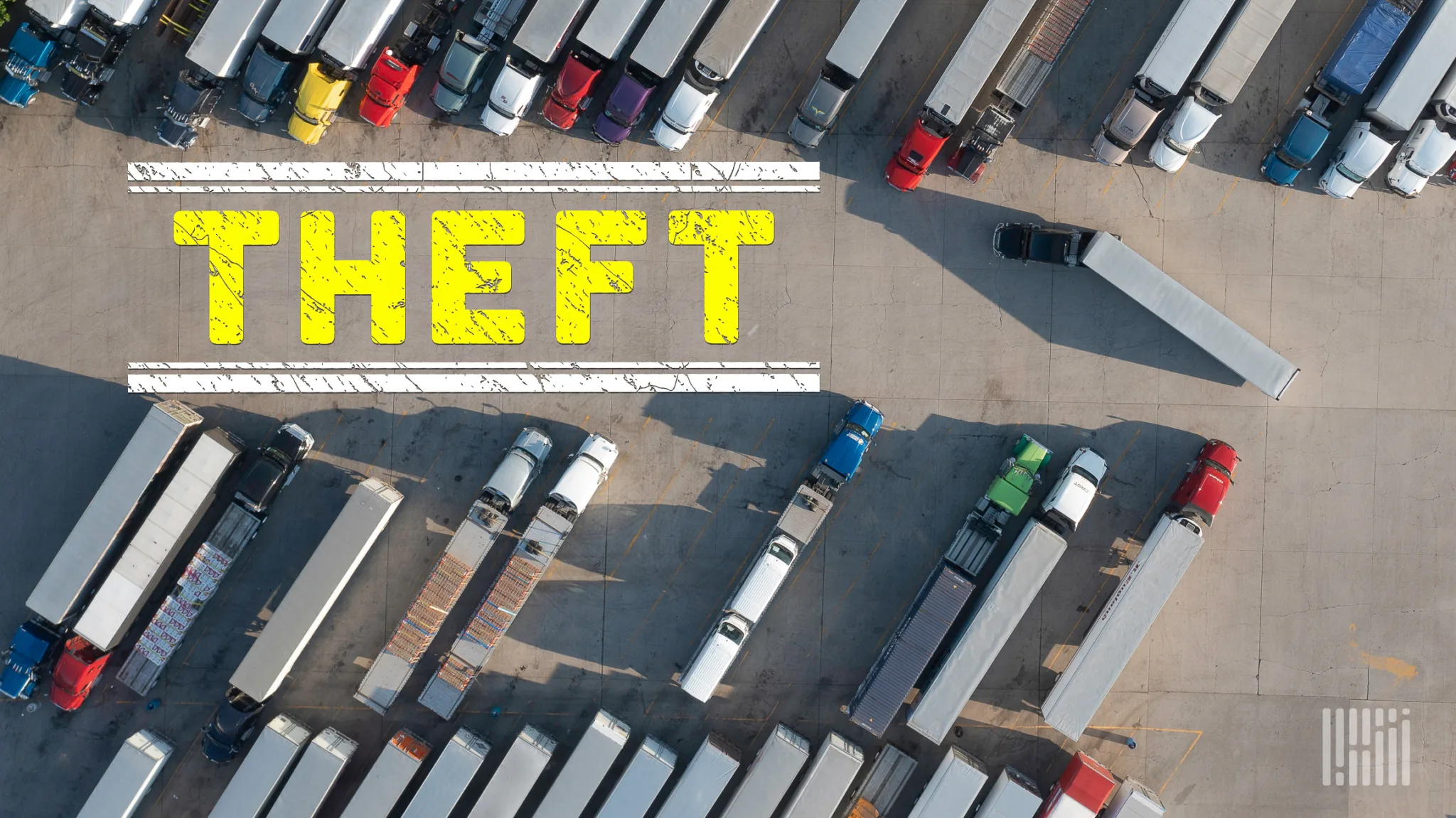
The transportation industry is facing a new generation of cargo theft in which organized crime groups increasingly use fake identities, phishing campaigns and digital deception rather than only traditional break-ins and hijackings.
Industry experts say cargo theft has evolved into a sophisticated blend of cybercrime, identity fraud and physical theft, allowing criminals to intercept high-value shipments before they ever reach their intended destinations.
“The groundwork is being laid digitally,” Jillian Kossman, chief operating officer of IDScan.net, said during a recent interview with FreightWaves. “Most of the crime is happening in advance when they impersonate a legitimate carrier or impersonate a legitimate driver and then send one guy who completes the transaction, scams the shipper and drives off with the load.”
The growing threat mirrors findings in a recent report titled “The Blueprint for Freight Survival: Why Identity is the New Currency in Transportation” by transportation analyst Bart A. De Muynck. It describes freight fraud as a multi-billion-dollar crisis driven by organized crime rings using artificial intelligence, identity theft and cyber tactics to impersonate legitimate carriers and brokers.
According to Highway’s Freight Fraud Index, freight fraud costs the transportation industry an estimated $18 million per day, while fraudulent email attempts increased 117% year over year. Organized crime groups are increasingly using AI tools to spoof broker identities, manipulate carrier data and divert shipments.
Read the full article by Noi Mahoney on Freight Waves