Skip to content



New York has enacted legislation establishing new age verification requirements for businesses selling kratom products. The legislation, originally passed in 2025 and amended in February 2026, prohibits the sale of kratom to individuals under the age of 21 and establishes rules governing the use of electronic ID scanners and the information collected during transaction scans.
Senate Bill S8814, signed into law on February 13, 2026, as Chapter 81, amends New York’s Public Health Law and introduces requirements that retailers should understand when implementing age verification procedures.
For businesses selling kratom products, the legislation highlights the importance of verifying customer age, maintaining appropriate records, and protecting personally identifiable information collected during ID scanning.
What is New York’s kratom age verification law?
New York’s kratom age verification legislation originated with S4552-A and A2340-A, which became Chapter 690 of the Laws of 2025. The law was subsequently amended through S8814 and A9472 in 2026.
The amended legislation establishes Public Health Law §1399-xx, regulating the sale and distribution of kratom products to minors.
Under the law, businesses are prohibited from selling or providing kratom products to anyone under the age of 21. The legislation also addresses retail and online notices, enforcement procedures, penalties, and the use of electronic ID verification systems.
Does New York require ID scanning for kratom purchases?
New York’s legislation establishes specific provisions for electronic transaction scans used to verify the age of kratom purchasers. However, the legislation should not be interpreted as requiring every retailer to electronically scan every customer’s identification.
Instead, the law recognizes electronic ID scanning as a method of verifying age and provides conditions governing its use.
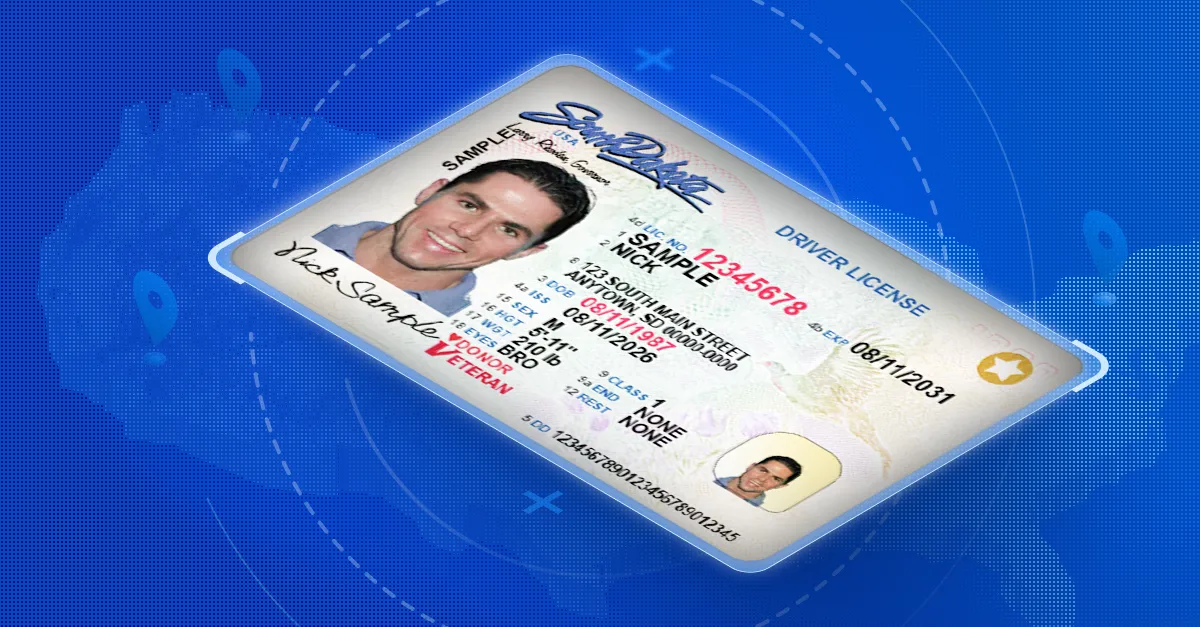
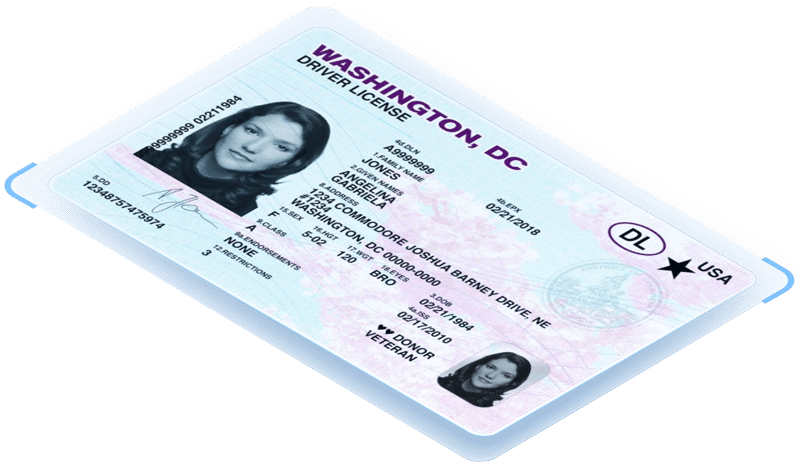
The legislation defines an eligible scanning device as a commercial device, or combination of devices, capable of reading information encoded on the barcode or magnetic stripe of a driver’s license or non-driver identification card issued by the New York Department of Motor Vehicles.
For businesses choosing to implement ID scanning, these provisions establish a legal framework for how scanning technology may be used during age-restricted transactions.
ID scanning and affirmative defense
The legislation also addresses circumstances in which a successful ID scanning may support an affirmative defense related to an unlawful kratom sale.
The statutory language references reasonable reliance on government-issued identification and a successfully completed transaction scan. It also directs consideration of written policies adopted and implemented by the seller.
Importantly, the law specifies that the use of a transaction scan does not eliminate a retailer’s obligation to exercise reasonable diligence.
Businesses should review the exact scope and limitations of the statutory defense with legal counsel rather than assuming that scanning an ID automatically protects them from penalties.
What information can businesses collect during a kratom ID scan?
New York’s legislation places restrictions on the information businesses may electronically record and maintain when using transaction scans for kratom sales.
Under Public Health Law §1399-xx, the permitted information is limited to:
- Customer name
- Date of birth
- Driver’s license or non-driver identification number
- Identification expiration date
These restrictions are intended to limit unnecessary collection and retention of personal information during age verification.
Businesses using ID scanning software should evaluate their data collection settings, retention policies, and integrations to ensure that information recorded for kratom transactions complies with applicable requirements.
Restrictions on selling or sharing ID scan data
The law also prohibits businesses from reselling or disseminating information collected during kratom transaction scans to third parties, including for advertising, marketing, or promotional purposes.
Exceptions exist for certain legally authorized disclosures, including court-ordered subpoenas and disclosures specifically authorized by statute.
Violations of these data-sharing restrictions may result in civil penalties of up to $1,000 per violation.
For retailers, this means that age verification systems should be evaluated not only for their ability to read IDs accurately, but also for how they collect, store, transmit, and protect customer information.
Penalties for violating New York’s kratom age restrictions
The amended legislation establishes civil penalties of up to $500 for specified violations involving the sale or provision of kratom to individuals under 21 and applicable notice requirements.
Businesses may also face separate penalties for violating restrictions on the disclosure or resale of information obtained during electronic transaction scans.
Retailers should ensure that employees understand age verification procedures and that required notices are displayed appropriately, including online where applicable.
How can ID scanning help New York kratom retailers?
ID scanning can help businesses establish consistent age verification procedures while reducing reliance on visual inspection alone.
By reading the machine-readable information on a government-issued ID, an ID scanning system can assist employees in identifying a customer’s date of birth, calculating age, and detecting certain discrepancies that may warrant additional review.
More advanced ID verification and ID authentication technologies may also help identify suspicious or potentially fraudulent identification documents.
How IDScan.net can help
IDScan.net offers identity verification and ID scanning solutions designed to help businesses verify age and identify potentially fraudulent identification documents.
With VeriScan, businesses can automate age calculations, scan supported identification documents, and streamline age-restricted transactions. The customizable PII and data retention settings also ensure that businesses scanning IDs are compliant with applicable privacy laws.
Businesses operating in New York should configure their verification workflows and data handling practices to align with applicable privacy and recordkeeping restrictions. Compliance depends on the particular deployment and configuration.
Final Thoughts
New York’s updated kratom legislation introduces important age verification and data privacy considerations for retailers selling age-restricted products.
While ID scanning is not universally mandated for every kratom transaction, the law establishes requirements for how covered transaction scans may be used and what customer information businesses can retain or share.
As New York continues considering additional ID scanning and biometric verification legislation, businesses should regularly review their age verification procedures, employee training, and customer data practices to remain aligned with evolving requirements.