Skip to content



How financial institutions can modernize their ID scanning infrastructure
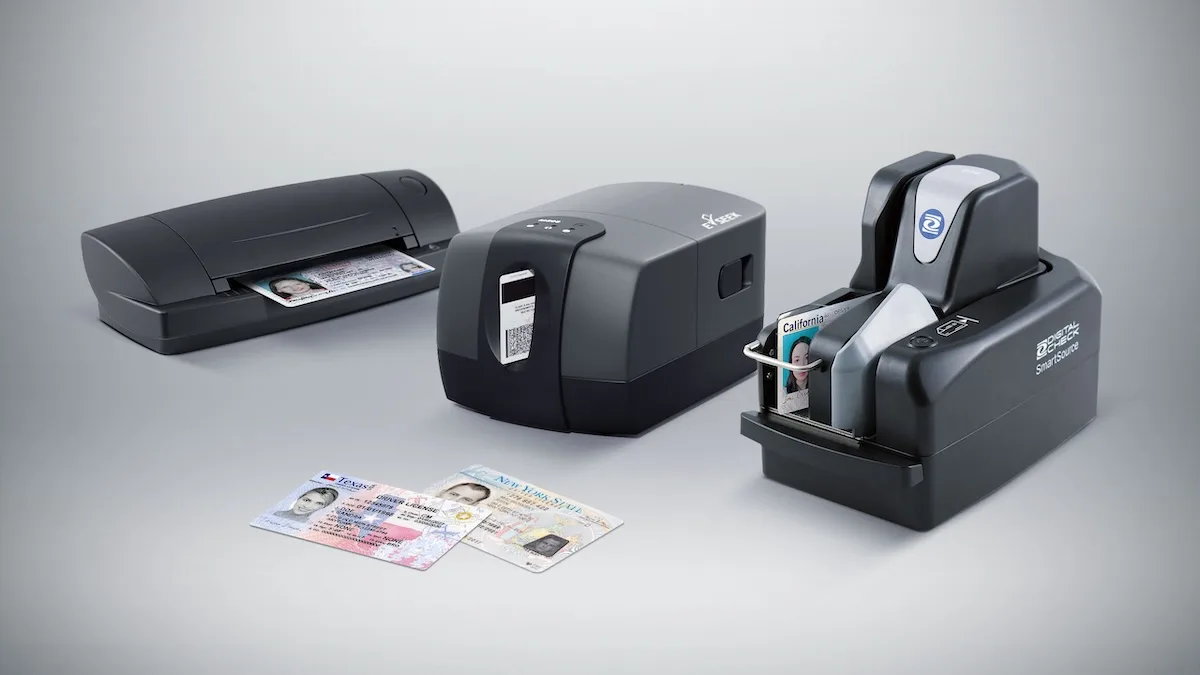
For years, Acuant’s ScanShell scanners have been a familiar fixture in banks, credit unions, and financial institutions. But as compliance requirements and fraud risks evolve, many institutions are discovering that legacy scanning hardware is no longer enough.
Today’s financial institutions need more than simple image capture; they need flexible, high-quality, and authentication-ready document scanning that integrates seamlessly across systems.
This is where modern alternatives to ScanShell scanners stand apart.
Why financial institutions are moving away from ScanShell
While ScanShell scanners offer basic ID capture, they often fall short in environments where accuracy, reliability, and integration flexibility are critical.
Designed for documents, not IDs
A key limitation of ScanShell devices is that they are fundamentally general-purpose document scanners that have been adapted for ID scanning and verification. Because ScanShells are not purpose-built ID verification tools, institutions often encounter inconsistent data capture, greater sensitivity to positioning and handling during scans, and limited authentication capabilities.
This distinction matters especially for financial institutions, where reliably extracting and validating identity data in a way that supports KYC, AML, and fraud prevention workflows is essential.
Limited software flexibility
ScanShell devices are typically tied to specific software ecosystems, making it difficult for institutions to integrate across multiple platforms and adapt to evolving workflows. In contrast, modern scanning environments require hardware that works across systems, not hardware that dictates them.
Inconsistent image quality
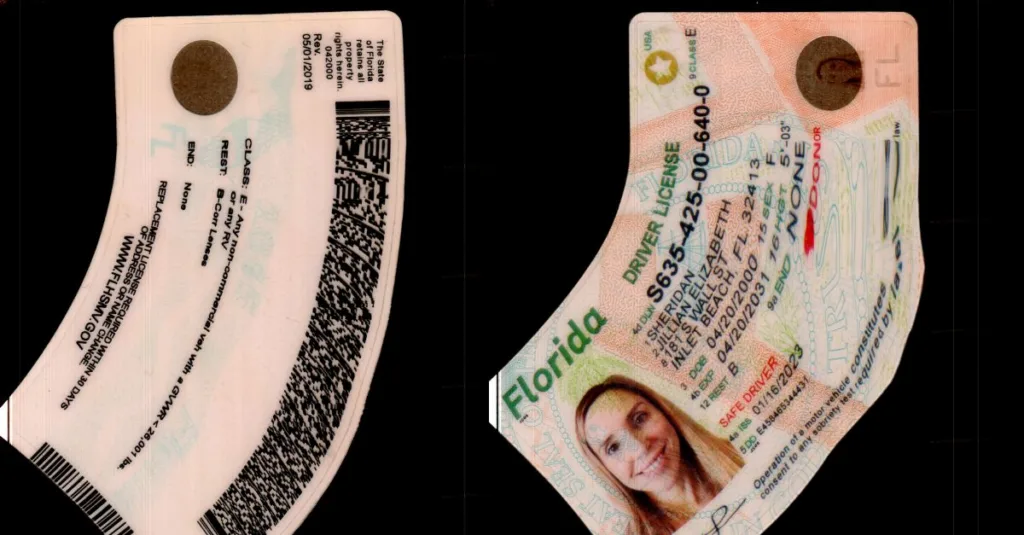
ScanShell’s design makes it sensitive to movement during scanning. Even minor disruptions, like a document being slightly bumped, can result in warped or distorted images. This causes the scan to be unusable for record keeping and identity verification. In regulated environments, this not only wastes time but is a compliance and risk exposure issue.
Slow scan times
Financial institutions rely on efficiency for teller lane and back-office operations. Slow scan speeds increase customer wait times, creating bottlenecks and reducing operational efficiency.
Top alternatives to ScanShell Scanners
Digital Check SmartSource: Built for banking workflows
Best for: Teller lanes, deposit capture, back-office processing
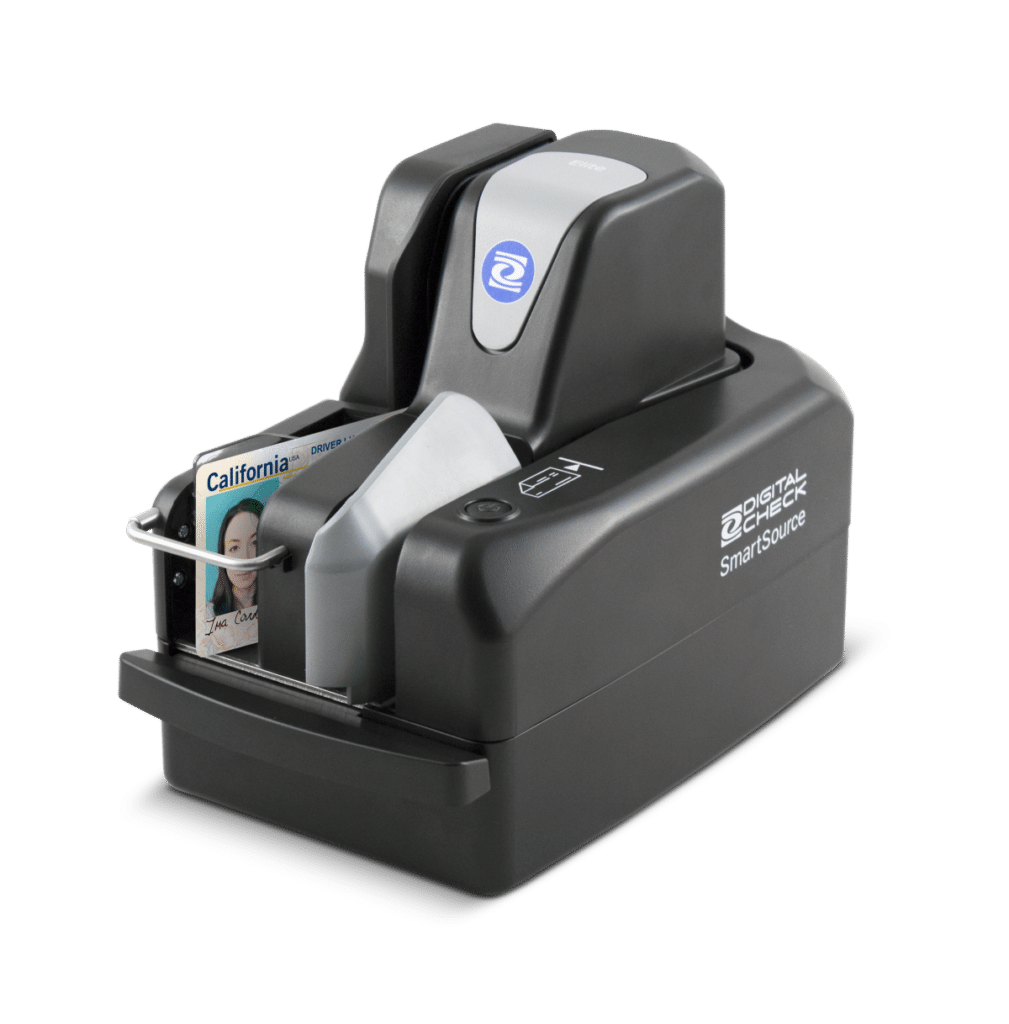
Devices from Digital Check Corp. are purpose-built for financial institutions, making them a strong alternative for environments that handle both checks and IDs. Instead of relying on separate tools for checks and IDs, Digital Check scanners enable a unified capture workflow, improving efficiency and reducing hardware complexity.
Key advantages:
- High-speed check scanning (up to 170 documents per minute)
- Proven deployment across banks and credit unions
- Seamless integration with ParseLink for ID parsing, image capture, and authentication
- Reduces need for multiple single-purpose devices
- Deployment options for both USB and network environments
E-Seek M500: High-assurance ID authentication
Best for: New account opening, high-risk transactions, fraud prevention
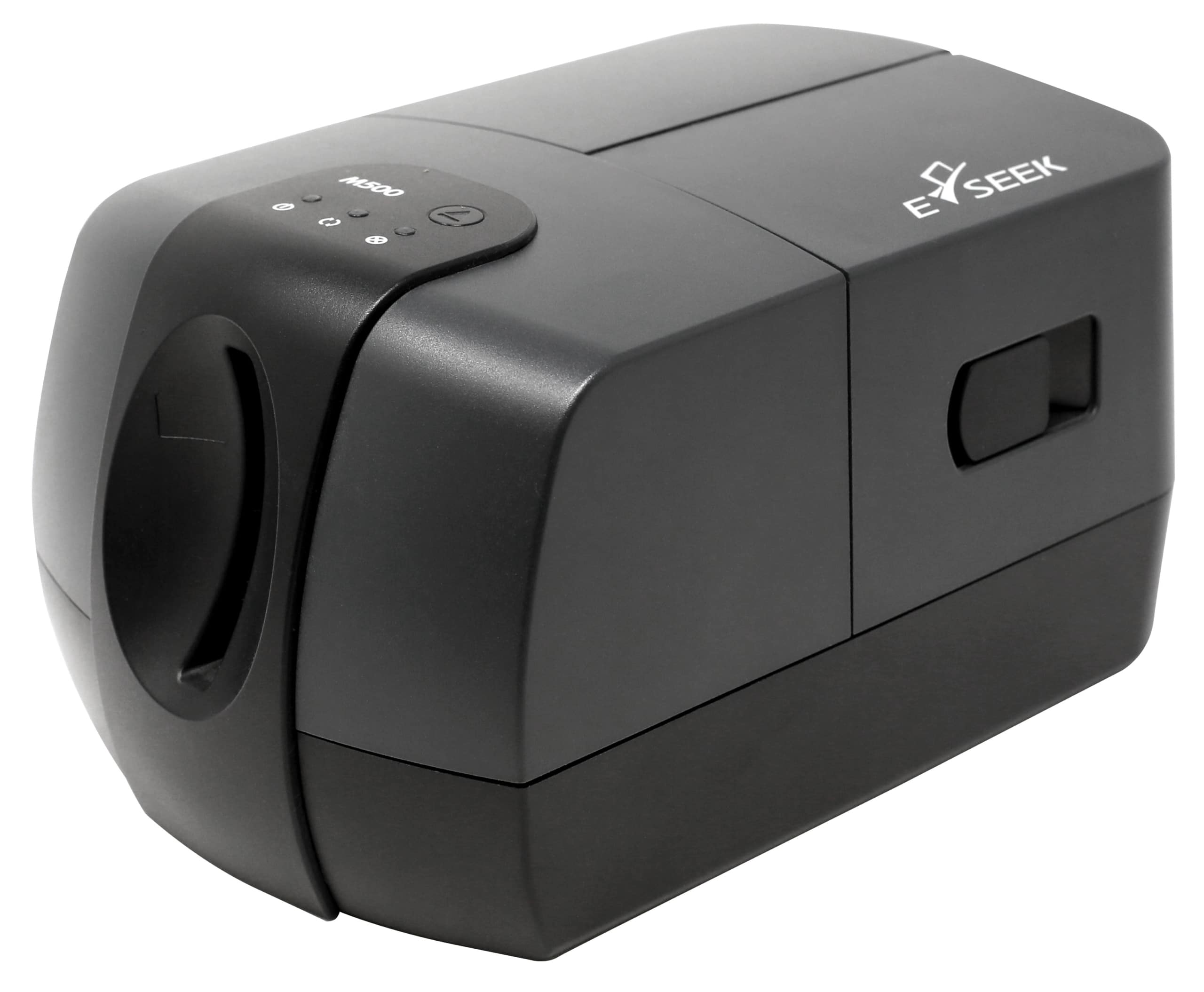
The E-Seek M500 ID Scanner is designed for environments where accuracy and fraud prevention are top priorities. While ScanShell focuses on basic imaging, the M500 delivers forensic-level identity verification, helping institutions reduce fraud and meet compliance requirements.
Key advantages:
- Advanced authentication (UV, IR, barcode, magstripe)
- Fast scan and verification cycle (~4–5 seconds)
- Reliable, high-resolution image capture
- Seamless integration with ParseLink for ID parsing, image capture, and authentication
Thales CR5400: Compact with advanced imaging
Best for: Teller desks, branch environments, general ID capture
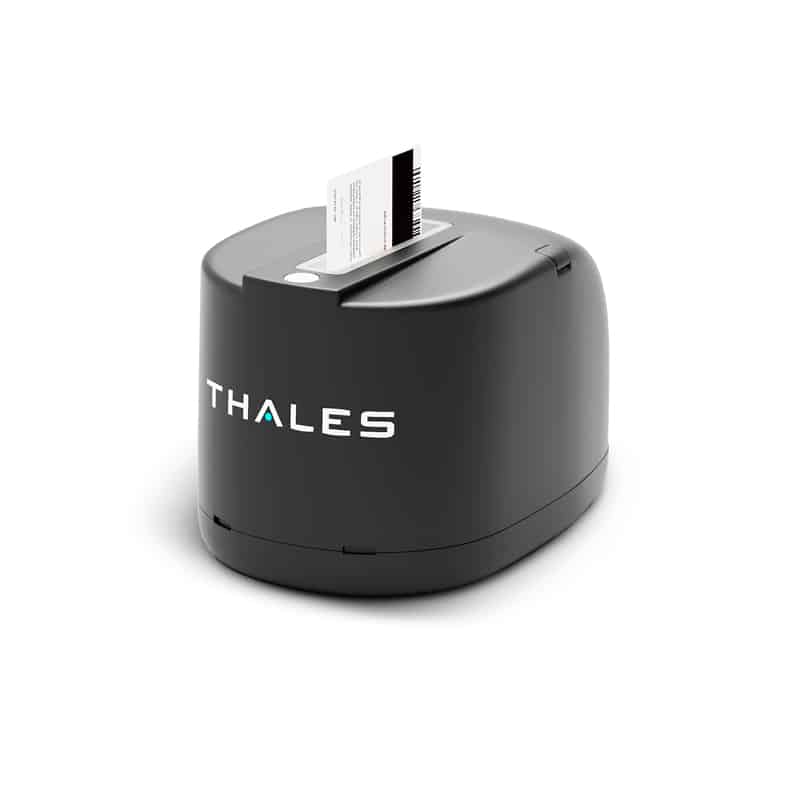
The Thales CR5400 ID Scanner offers a balance of size, performance, and imaging capability. Its design directly addresses one of ScanShell’s biggest weaknesses, image warping caused by movement during scanning, while maintaining a small footprint suitable for teller environments.
Key advantages:
- Drop-in design eliminates image distortion
- UV and infrared imaging for enhanced ID authentication
- Compact footprint authentication (UV, IR, barcode, magstripe)
- Seamless integration with ParseLink for ID parsing, image capture, and authentication
Thales AT10K: Passport and global ID scanning
Best for: Institutions with international customers or passport-heavy workflows
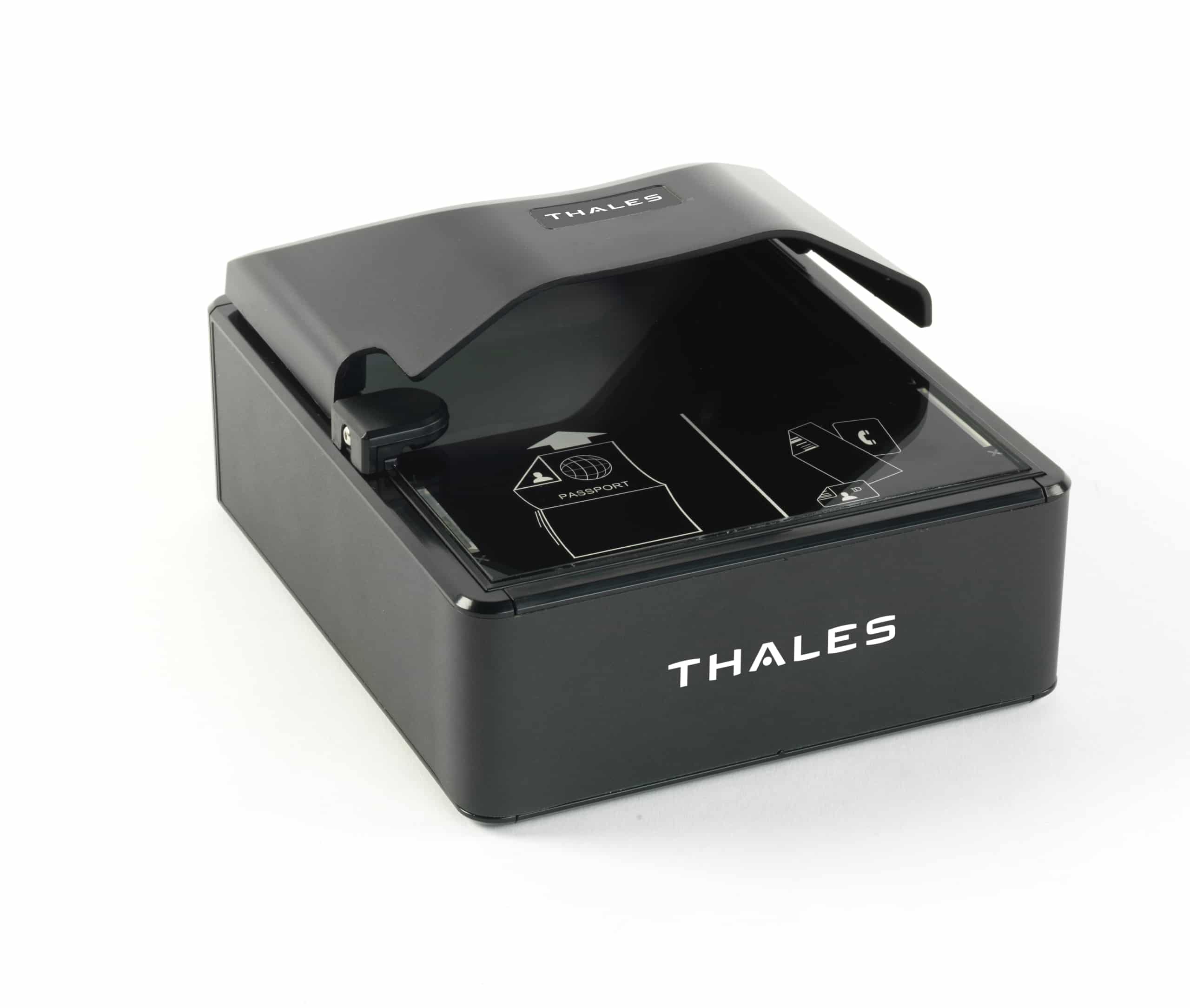
The Thales AT10K is specifically designed for passport and international document scanning and authentication. This extends capabilities beyond domestic IDs, enabling global identity verification.
Key advantages:
- Optimized for ICAO-compliant documents
- Reliable passport and ID data capture
- Seamless integration with ParseLink for ID parsing, image capture, and authentication
Moving beyond ScanShell limitations
One of the biggest shifts in financial services is the move from one-size-fits-all to flexible, integrated ecosystems. Legacy devices like ScanShell were designed for a time when ID capture was a standalone task. Today, it’s part of a broader workflow that includes:
- ID verification
- Fraud detection
- Compliance (KYC, AML)
- Customer onboarding
Financial institutions no longer need to choose between speed, accuracy, and flexibility. By pairing alternatives like Digital Check, E-Seek, and Thales scanners with ParseLink software, banks and credit unions can move beyond the limitations of ScanShell and toward a more scalable, reliable, and future-ready approach to document capture.
In an environment where compliance, fraud prevention, and customer experience all matter, upgrading your scanning infrastructure isn’t just a technical decision; it’s a strategic one.