
As identity verification becomes increasingly critical across industries, from retail and logistics to financial services, businesses are under growing pressure to balance fraud prevention with privacy compliance. Nowhere is this tension more evident than in British Columbia, where privacy regulations set clear boundaries on how personal information, especially government-issued IDs, can be collected and used.
Here, we explore the legal framework under Personal Information Protection Act (PIPA), guidance from Canadian privacy regulators, and how modern ID verification solutions can help organizations remain compliant without compromising security.
The legal foundation: Consent and reasonableness under PIPA
Under PIPA, businesses in British Columbia must adhere to two core principles when collecting personal information:
- Consent is required before any collection takes place
- Collection must be reasonable and necessary for the business purpose
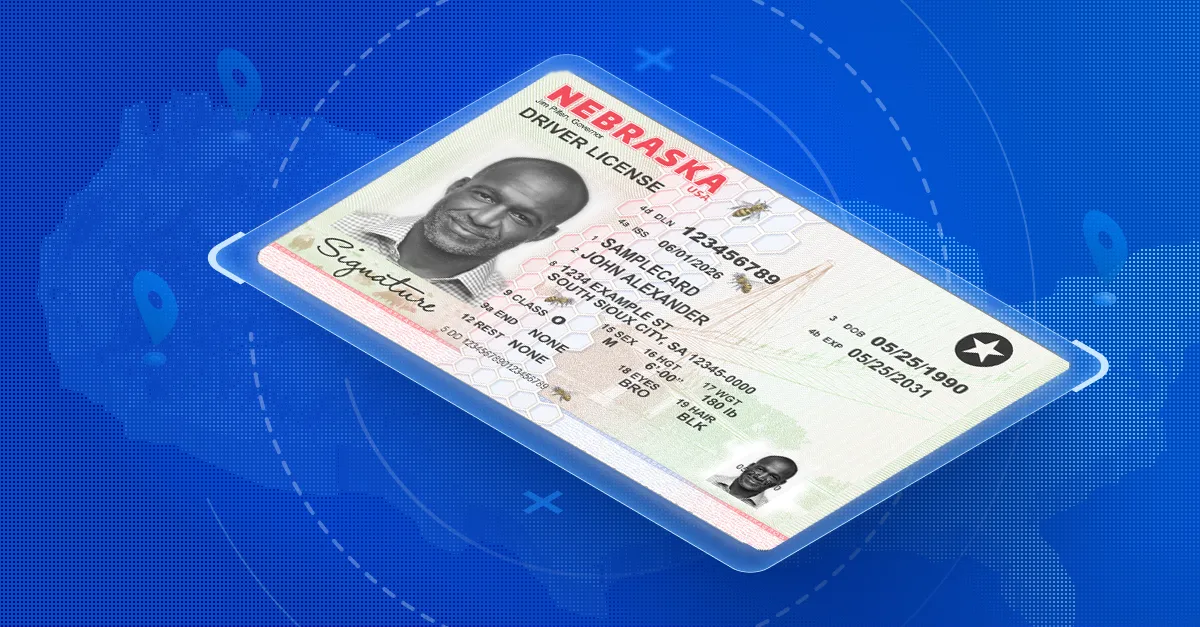
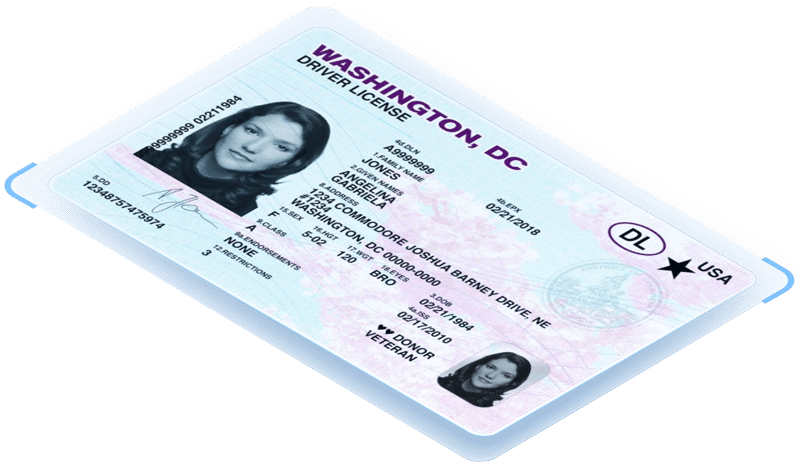
Scanning a driver’s license and capturing data from it clearly qualifies as collecting personal information. A license contains sensitive data, including:
- Full legal name
- Home address
- Date of birth
- Physical descriptors
- Unique license number
Because of this, regulators consider it a high-risk data collection activity.
PIPA does not prohibit collecting this information outright, but it sets a high bar. Businesses must be able to justify why capturing and storing that data is necessary, rather than it simply being convenient to business processes.
Regulatory guidance: Visual checks vs. Data capture
Privacy commissioners across Canada, including those in British Columbia, Alberta, and at the federal level, have consistently issued guidance on this issue. Their position is clear:
- Visual inspection of ID is acceptable and often sufficient
- Recording, photocopying, or scanning ID is generally discouraged
This guidance reflects a broader principle in privacy law: data minimization. Businesses should only collect the minimum amount of information required to fulfill a legitimate purpose.
In most everyday scenarios, such as verifying age, confirming identity for a package pickup, or validating a transaction, retaining a copy of the ID is considered excessive.
When can a business refuse service?
While individuals can refuse data collection, businesses are not entirely without recourse.
Under PIPA, a business may deny service if the collection of personal information is reasonably necessary for the transaction. However, this introduces a critical legal test:
Is scanning the ID and storing data actually necessary, or just convenient?
For example:
- Verifying age to purchase restricted goods? → Visual check is typically sufficient
- Releasing a high-value shipment? → Stronger identity verification may be justified
If a less invasive method (like visual inspection) can achieve the same goal, then collecting additional data may not meet the “reasonable necessity” threshold.
The compliance challenge in identity verification
This creates a difficult balancing act for businesses. Too little ID verification can lead to an increased fraud risk, but too much data collection can violate PIPA.
Industries like logistics, retail, and financial institutions are particularly vulnerable. Cargo theft, financial fraud, and synthetic identity fraud are all on the rise, yet traditional methods like photocopying IDs are no longer acceptable from a privacy standpoint.
This is where modern identity verification technology plays a critical role.
Solutions like VeriScan Identity Platform are designed specifically to address this challenge, enabling businesses to verify identity without unnecessary data retention.
Key advantages
1. Data minimization by design
Rather than storing full images of IDs, VeriScan can extract only the necessary data points, aligning with PIPA’s requirement to limit collection.
2. Real-time authentication
IDs can be validated instantly using barcode parsing, ID authentication, and fraud detection, without needing to store any data from the ID.
3. Configurable data retention
Businesses can tailor what information is stored (if any), ensuring compliance with regional privacy laws like PIPA. If applicable, businesses can also set the data to automatically delete after a set period of time based on local and federal regulations.
4. Audit trails without over-collection
ID scans can be logged securely, providing proof of due diligence without exposing sensitive personal data.
Applying this to real-world use cases
Retail & age-restricted venues
Instead of scanning and storing IDs, businesses can verify age in real time and discard the data, remaining compliant while preventing underage access.
Logistics & cargo
For high-risk transactions, identity can be verified through secure, Digital Identity Verification workflows or in-person solutions that confirm ID authenticity without retaining full ID images.
Financial institutions
Customer onboarding and KYC processes can leverage automated verification tools that meet both regulatory and privacy requirements.
Final thoughts
Compliance and security are not mutually exclusive, but the guidance under Personal Information Protection Act (PIPA) makes one thing clear: businesses must rethink how they approach identity verification.
Scanning IDs is no longer a defensible default. Instead, organizations should adopt:
- Consent-driven processes
- Minimal data collection practices
- Technology that prioritizes privacy by design
By leveraging modern solutions, businesses can reduce fraud, protect customer data, and stay compliant, all at the same time. In today’s regulatory landscape, the question is no longer whether to verify identity, but how to do it responsibly.