On May 12, 2025 the governor of South Carolina signed House Bill 3430, also known as Act No. 42 of the 126th Session of the South Carolina General Assembly, which takes effect January 1, 2026. While there were several amendments to the bill, there are two pertinent to ID verification. One focuses on ID scanning requirements at collegiate sporting venues. Additionally, the other focuses on risk mitigation when using an ID scanning device.
- Sale of beer or wine at collegiate sporting venues utilizes forensic digital identification systems, or other means acceptable to the department, to verify the authenticity of identification at the point of sale.
- A person licensed or permitted to sell alcoholic beverages for on-premises consumption, which remains open after five o’clock p.m. to sell alcoholic beverages for on-premises consumption, may qualify for liquor liability risk mitigation. A licensee or permittee qualifies if the licensee or permittee uses a forensic digital identification system that validates the identification of any person attempting to enter the premises between the hours of 12:00 a.m. and 4:00 a.m
In sum, college sporting venues are now required to scan IDs to ensure age during the checkout process. Those with liquor liability insurance that utilize ID scanning technology are subject to risk mitigation should legal issues arise.
Implications for ID scanning & verification
This new law has several implications for ID scanning systems, age verification, identity fraud prevention and how retailers/hospitality venues must adapt. The legislature is signaling that simple visual checks no longer suffice. Thus, advanced age verification technology must now be utilized. Using an ID scanner and authentication system (forensic digital identification system) becomes a necessary, and legally required, part of a risk-mitigation strategy.
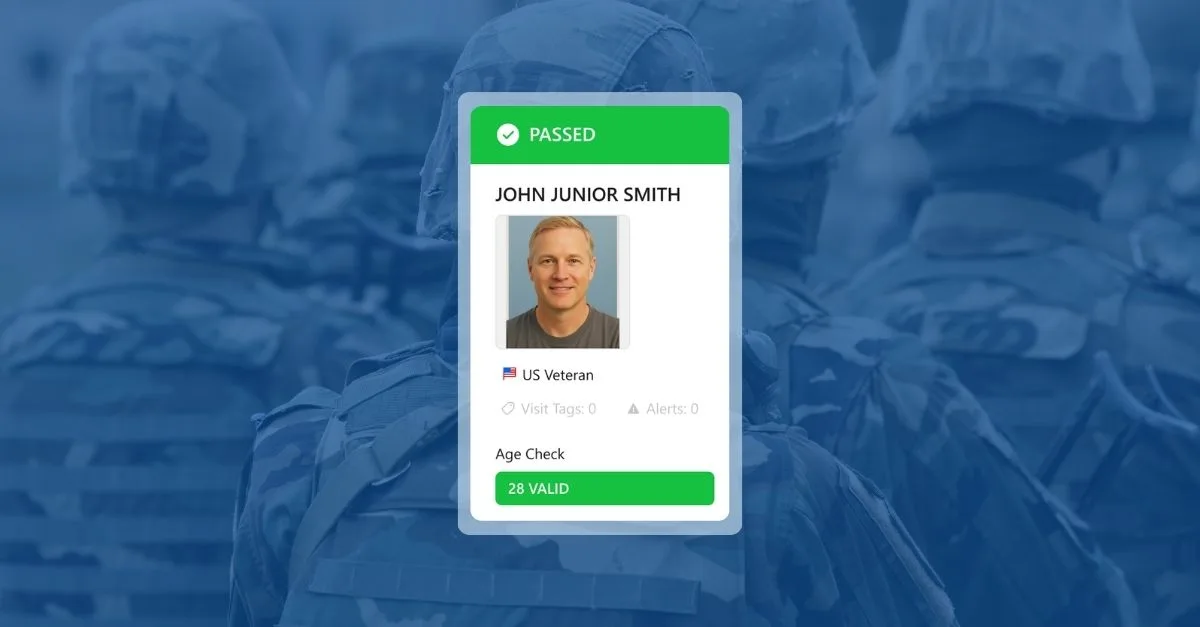
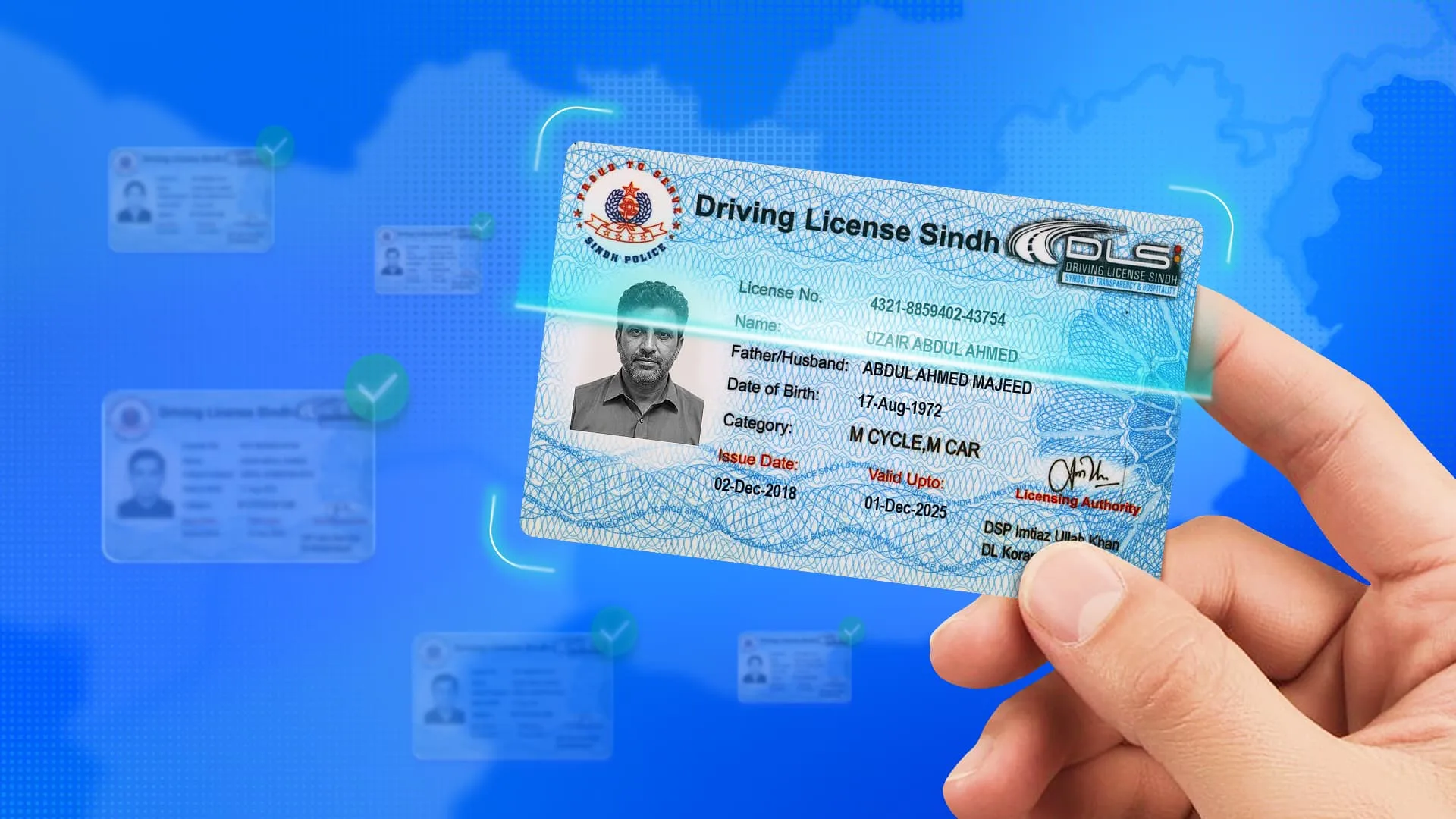
While the law does not spell out “scan every ID,” the requirement to use an ID scanner means that the technology must verify authenticity of ID documents. This typically involves scanning, barcode verification, security feature checks, fake ID detection, and logging the history for legal purposes. By implementing these methods, retailers and venues will be able to demonstrate due diligence in checking ID authenticity and age verification. Additionally, the built-in visitor management system helps keep a record of the IDs scanned should legal implications arise.
How IDScan.net can help ensure compliance
IDScan.net offers several ID scanning solutions that can help South Carolina retailers and hospitality venues ensure compliance with the new legal requirements outlined in Act No. 42. With the use of either VeriScan or ParseLink, the software solutions:
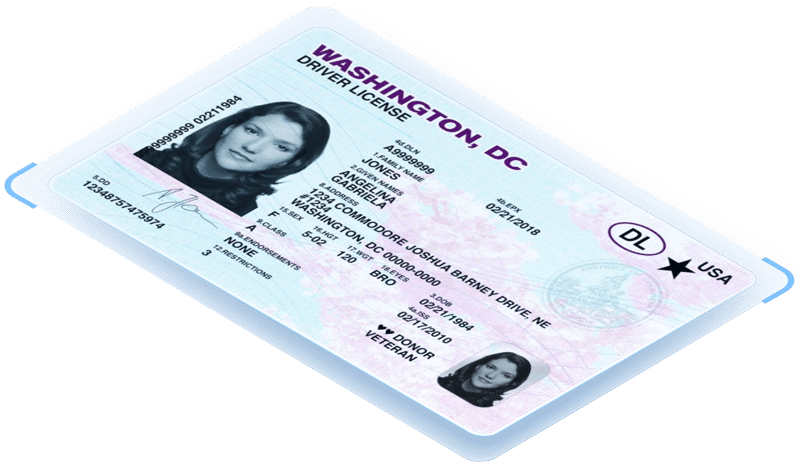
- Accurately scan and verify various forms of identification, including passports, state IDs and drivers licenses, and international IDs, ensuring compliance with the new law.
- Utilize adaptive AI and machine learning algorithms to detect fake or counterfeit IDs, adding an extra layer of security.
- Ensure that the solutions adhere to state and federal data privacy regulations, safeguarding customer information during the scanning process.
- Provide a detailed record that can be exported for legal purposes and used in risk mitigation.
- Integrate into existing workflows or establish new ones when the need arises. This seamless workflow enhances operational security without adding friction to the customer experience.
Conclusion
The enactment of Act No. 42 in South Carolina marks a meaningful shift in how alcohol-service businesses will be regulated. It places greater emphasis on ID verification systems, liability management, and record-keeping. For operators, this means that compliance is no longer just a desk exercise, but a practical business imperative with financial, reputational, and legal implications. Adopting a mature ID scanning and authentication solution gives businesses a way to align workflow and operational controls with South Carolina Act No. 42. With robust ID verification, fake-ID detection, logging, reporting and integration into existing service flows, businesses will be better equipped to meet the regulations. They will protect themselves from liability and position for favourable insurance arrangements before the effective date of January 1, 2026.