
As digital identity verification becomes a cornerstone of secure onboarding, the rise in ID fraud attempts has driven demand for advanced security measures. Two key technologies, anti-spoofing and liveness detection, have become essential in ensuring that identity verification is not just quick and convenient, but also secure and trustworthy. These methods are especially critical in remote identity verification, where there is no human verifier present.
What is anti-spoofing in identity verification?
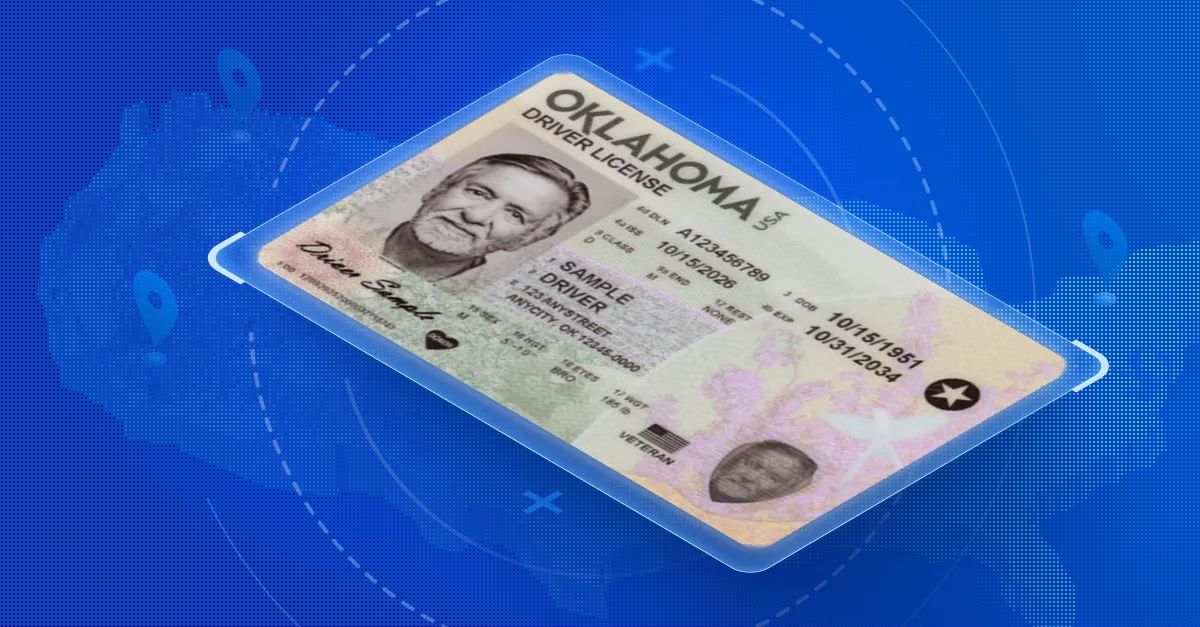
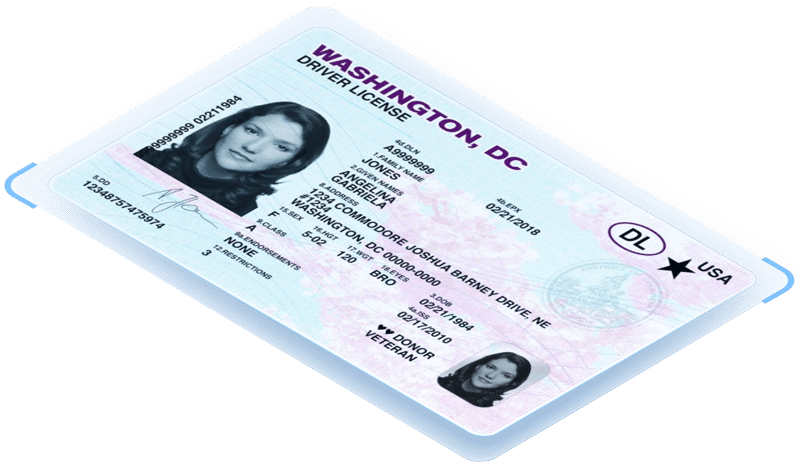
Spoofing refers to the act of presenting fake or manipulated biometric or ID data to an identity verification system. This might include using a photo of a person instead of their actual face, deepfake video footage, masks and/or 3D models, or screenshots or doctored images of government-issued IDs
Anti-spoofing technology was designed to detect and prevent these types of attacks by analyzing tell-tale signs that a submission is fake. Some effective countermeasures that have been developed for anti-spoofing include:
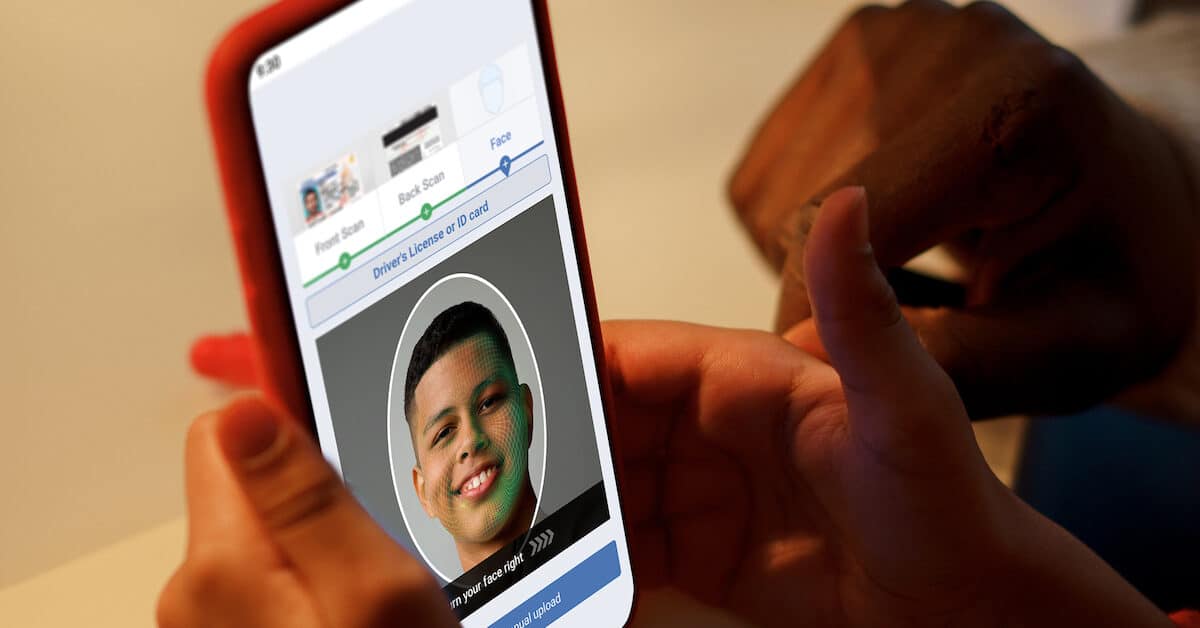
- Checking for depth and texture in facial images by creating a 3D mesh model
- Analyzing micro-movements (e.g., blinking, head tilts, smiling, etc.)
- Using pattern recognition to detect signs of digital manipulation
By detecting fraud attempts at the source, anti-spoofing prevents fraudsters from gaining unauthorized access or creating synthetic identities.
What is liveness detection?
Liveness detection is a subset of anti-spoofing techniques that specifically determines whether a biometric input is coming from a live human being, as opposed to a photo, deepfake video, or mask. This is especially useful in facial recognition-based verification processes.
There are two main types of liveness detection:
1. Active Liveness Detection
This requires user interaction, such as:
- Smiling
- Blinking
- Turning the head
It confirms that the user is physically present and engaging with the verification system in real time.
2. Passive Liveness Detection
This runs in the background, analyzing facial images or video without requiring user actions. It can detect artifacts like screen glare, lack of depth, or inconsistencies in facial texture.
Passive methods are often preferred for UX reasons, as they reduce friction, but many systems use a combination of both for maximum accuracy.
Why anti-spoofing and liveness detection matter more than ever
The Rise of Remote Identity Verification
With more businesses shifting to digital onboarding, remote identity verification is now a key playground for digital identity fraud. In these cases, businesses have no way to physically inspect a document or verify a person’s presence. That’s where anti-spoofing and liveness detection are critical.
Without these safeguards, fraudsters can use any number of fraudulent methods including stolen or synthetic IDs, printed or digital copies of a face, and even replays of previously recorded liveness tests. This becomes especially risky in industries like healthcare and finance where extremely sensitive information is stored.
How identity verification helps prevent ID fraud
Anti-spoofing and liveness detection are core features of our identity verification stack, particularly in our remote onboarding solutions. Our multi-layered verification approach incorporates both active and passive liveness detection, using AI-driven analysis to detect signs of spoofing in real time. Users can be prompted to perform facial gestures, and passive checks ensure no one can “trick the system” with videos or masks. Our software scans hundreds of security features within a government-issued ID – UV printing, microtext, holograms, barcodes, etc. – and flags anomalies that indicate manipulation or forgery. With just a mobile device or webcam, businesses can prompt customers to scan their ID, capture a selfie, perform a liveness test, and submit data for real-time verification all in less than 15 seconds.
Able to easily integrate with your existing CRM, POS, or onboarding platform, this seamless process is secure, GDPR-compliant, and frictionless for the user, making it ideal for banks, online marketplaces, background checks, and age-restricted e-commerce.
Conclusion
Spoofing and remote ID fraud are no longer fringe threats, they’re everyday risks. Whether you’re onboarding a customer online or scanning an ID at the front desk, anti-spoofing and liveness detection are critical tools in your defense strategy.
IDScan.net combines document forensics and biometric intelligence to stop fraud in its tracks, while keeping user experience smooth and secure.