
Beginning January 1, 2026, Utah will implement one of the most rigorous alcohol compliance updates in recent years. Utah House Bill 437, commonly referred to as Utah’s “100% ID law,” changes how alcohol sales are verified across the state. The law impacts every licensed alcohol seller and requires significant operational adjustments to remain compliant. Understanding the details now will help businesses prepare ahead of enforcement.
Utah House Bill 437, formally titled Interdicted Person Amendments, updates Utah’s alcohol enforcement statutes with a focus on consistent identification checks and stronger enforcement of court-ordered alcohol restrictions. While the legislation includes several statutory amendments, the most notable change for businesses is the removal of discretion in age verification. Under the new law, alcohol sellers must verify identification for every alcohol sale, regardless of the customer’s apparent age.
What the 100% ID requirement means in Utah HB 437
Starting January 1, 2026, every individual purchasing alcohol in Utah must present a valid ID at the time of sale. This applies universally at bars, restaurants, grocery stores, convenience stores, state liquor stores, event venues, and any other licensed alcohol establishment. Unlike prior regulations, employees may no longer rely on visual age estimation when determining whether to request ID. Even customers who clearly appear to be well over the age of 21 must show their ID before alcohol can be sold.
This requirement is intended to eliminate subjective judgment by servers and clerks, creating uniform enforcement across the state. Utah’s Department of Alcoholic Beverage Services has emphasized that the responsibility to check identification applies to every alcohol transaction, not just first purchases or specific service environments.
Interdicted individuals and alcohol-restricted IDs
Utah HB 437 also introduced changes related to individuals who are legally prohibited from purchasing alcohol. Courts may designate certain individuals as “interdicted,” typically following severe or repeat DUI offenses. These individuals will be issued state identification cards that clearly display a restriction indicating that alcohol sales are prohibited.
The interdicted designation is printed directly on the ID, often above the photo, and alcohol sellers are legally required to recognize and enforce this restriction. While the number of interdicted IDs in circulation is expected to be small initially, the universal ID requirement ensures that sellers will consistently screen for these restrictions. Because most ID scanners do not currently flag interdicted status, given the relative newness of the indication, visual inspection in addition to ID scanning remains a critical compliance step.
Acceptable forms of identification
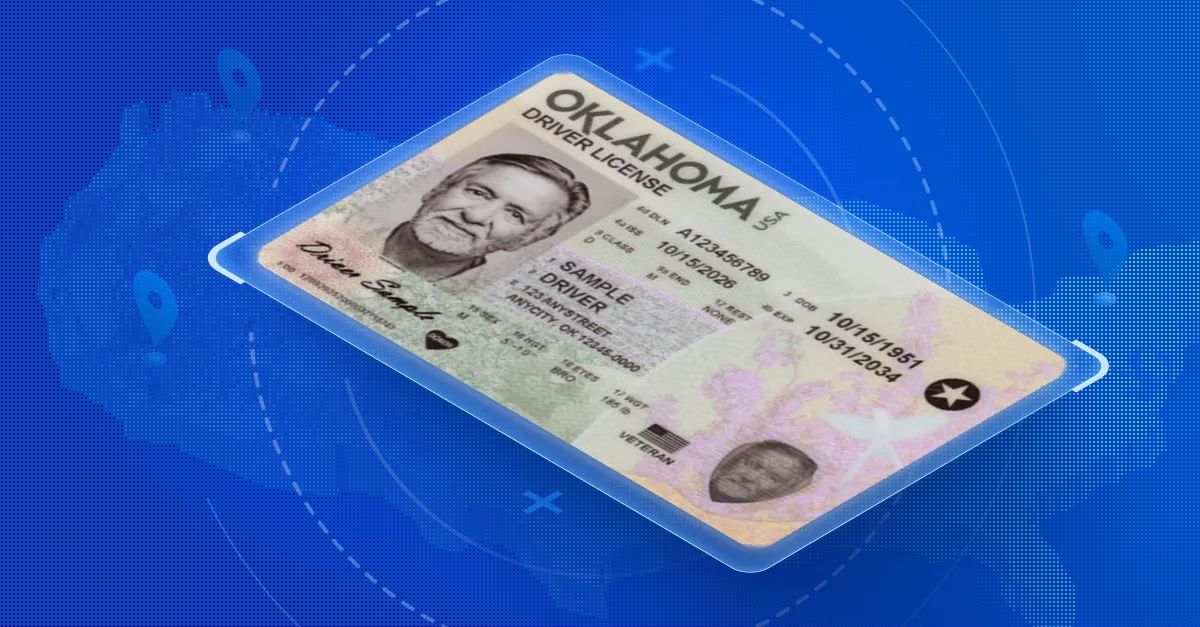
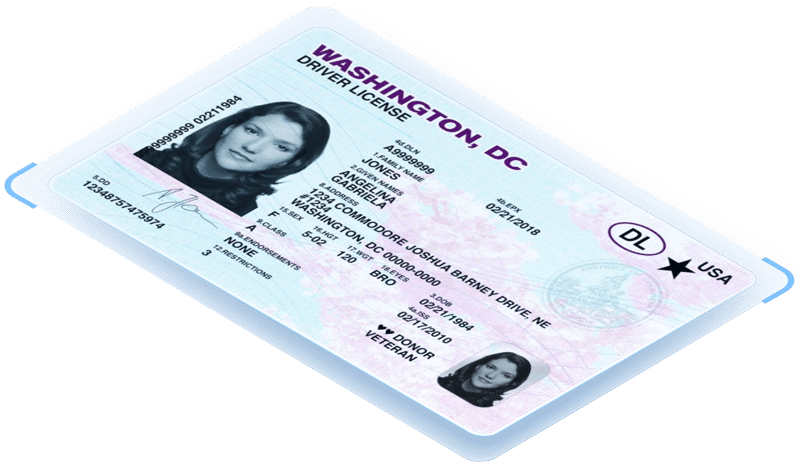
Under guidance from the Utah Department of Alcoholic Beverage Services, acceptable identification for alcohol purchases includes a valid U.S. driver’s license, a state-issued identification card, a valid passport, or a U.S. military ID that includes both a photo and date of birth. Some forms of identification, such as driving privilege cards, are not considered valid proof of age for alcohol sales in Utah.
For visitors, particularly those traveling from outside the United States, carrying a passport is strongly recommended, as international driver’s licenses may not always be accepted as valid age verification.
How IDScan.net can help ensure compliance for Utah HB 437
IDScan.net offers several ID scanning solutions that can help Utah businesses ensure compliance with the new legal requirements outlined in Utah HB 437. With the use of either VeriScan or ParseLink, the software solutions:
- Accurately scan and verify various forms of identification, including passports, state IDs, and drivers licenses, and international IDs, ensuring compliance with the new law.
- Utilize adaptive AI and machine learning algorithms to detect fake or counterfeit IDs, adding an extra layer of security.
- Ensure that the solutions adhere to state and federal data privacy regulations, safeguarding customer information during the scanning process.
- Provide a detailed record that can be exported for legal purposes and used in risk mitigation.
- Integrate into existing workflows or establish new ones when the need arises. This seamless workflow enhances operational security without adding friction to the customer experience.
Conclusion
Utah’s new 100% ID alcohol law represents a major shift in alcohol compliance for both businesses and consumers. Beginning January 1, 2026, every alcohol sale in Utah will require valid identification, without exception. For businesses, consistent ID verification is no longer optional, and for consumers, carrying ID will be essential. Understanding and preparing for these changes now will help ensure a smooth transition when the law goes into effect.