
As concerns about children’s safety online continue to grow, lawmakers in the United States are advancing new legislation designed to hold digital platforms accountable for how their products affect young users. Among the most significant proposals is the Kids Online Safety Act (KOSA), a bipartisan effort aimed at protecting minors from harmful online experiences and improving transparency across social media and digital platforms.
KOSA represents one of the most comprehensive attempts to regulate how technology companies design and operate services used by children and teenagers. The legislation seeks to address issues such as harmful content exposure, addictive platform design, and insufficient parental controls.
For online businesses, the bill signals a broader regulatory shift. Even though KOSA does not explicitly mandate identity or age verification technologies, many experts believe that platforms will ultimately need reliable age assurance and identity verification mechanisms to demonstrate compliance with the law.
What is the Kids Online Safety Act?
The Kids Online Safety Act is a bipartisan bill introduced by U.S. lawmakers to strengthen protections for minors using online platforms. The legislation was initially introduced in 2022 and passed the U.S. Senate in 2024 with overwhelming bipartisan support.
The bill focuses primarily on social media platforms and other digital services where children may interact with content, communities, or algorithmic recommendation systems.
KOSA aims to create a regulatory framework that requires platforms to proactively protect minors from harmful content and risky online interactions. The legislation also requires greater transparency regarding how algorithms operate and how platforms address safety risks affecting younger users.
Importantly, while the bill establishes strong protections for minors, it does not explicitly require platforms to implement age verification or age-gating technologies.
However, this creates a practical challenge: if platforms must treat minors differently from adults, they must first determine which users are minors, making age verification technologies a likely compliance tool.
Why lawmakers are focused on children’s online safety
The push behind KOSA stems from increasing evidence that digital platforms can negatively impact the mental health and safety of young users.
Policymakers have raised concerns about issues such as:
- Exposure to harmful or manipulative content
- Cyberbullying and harassment
- Online exploitation and predatory behavior
- Algorithmic recommendation systems that amplify harmful material
The legislation specifically targets platform design features that may encourage excessive use or amplify harmful content. Examples include auto play videos, infinite scroll features, and algorithmic feeds that prioritize engagement over safety.
By addressing these issues, lawmakers aim to create a safer digital environment where children can access online resources without facing unnecessary risks.
The legal framework: Key provisions of the Kids Online Safety Act
Although the final scope of the bill may evolve as Congress continues to debate its provisions, several core elements define the regulatory framework of KOSA.
1. Duty of care for platforms
One of the most significant elements of the legislation is the concept of a “duty of care.”
Under this framework, covered platforms must take reasonable steps to prevent and mitigate harms that may affect minors using their services. These harms include bullying, violence, sexual exploitation, substance abuse promotion, and content encouraging self-harm or eating disorders.
This duty effectively requires companies to consider how their platform design and algorithms affect younger users.
Failure to mitigate known risks could expose companies to regulatory enforcement or legal liability.
2. Stronger privacy and default safety settings
Another key provision of the Kids Online Safety Act requires platforms to implement stronger privacy protections for minors.
If enacted, platforms would need to ensure that accounts belonging to minors automatically receive the highest privacy settings by default. These measures are designed to reduce data collection, limit exposure to unknown users, and prevent targeted advertising toward children.
The legislation also emphasizes giving minors greater control over their data, including the ability to delete accounts and associated personal information.
3. Parental controls and safety tools
KOSA also introduces expanded parental oversight tools designed to give families more control over children’s digital experiences.
Under the bill, platforms would be required to provide mechanisms that allow parents to:
- Monitor their child’s online activity
- Control privacy settings
- Restrict communications from unknown users
- Report harmful content or interactions
These tools are intended to empower parents while also encouraging platforms to take greater responsibility for youth safety online.
4. Transparency and platform accountability
Transparency is another central theme of the legislation.
The bill requires platforms to publish regular reports detailing risks to minors and the steps being taken to mitigate those risks. In many cases, companies may also be required to undergo independent third-party audits to evaluate the effectiveness of their safety measures.
Regulatory oversight would likely fall to agencies such as the Federal Trade Commission, along with enforcement actions by state attorneys general.
What the Kids Online Safety Act means for online platforms
If passed into law, KOSA would fundamentally reshape how digital platforms design and operate their services. Companies that host user-generated content, operate social networks, or provide interactive online environments may face new compliance obligations.
Some of the most significant challenges for businesses include:
Identifying underage users
Even though KOSA does not require age verification directly, platforms must still distinguish between minors and adults in order to apply appropriate protections.
Implementing safety-first platform design
Businesses may need to redesign certain features, such as algorithmic feeds or engagement tools, to ensure they do not encourage harmful behaviors among younger users.
Managing regulatory oversight
Organizations may need to document compliance efforts through transparency reports, safety assessments, and independent audits.
These requirements will likely push many platforms toward stronger identity and age verification frameworks.
Why identity verification will become critical
Even without explicit age verification mandates, KOSA creates an environment where platforms must determine which users are minors in order to comply with safety requirements.
Traditional methods such as self-reported birthdates are easily bypassed, making them insufficient for regulatory compliance. As a result, many organizations are exploring more reliable age assurance methods, including:
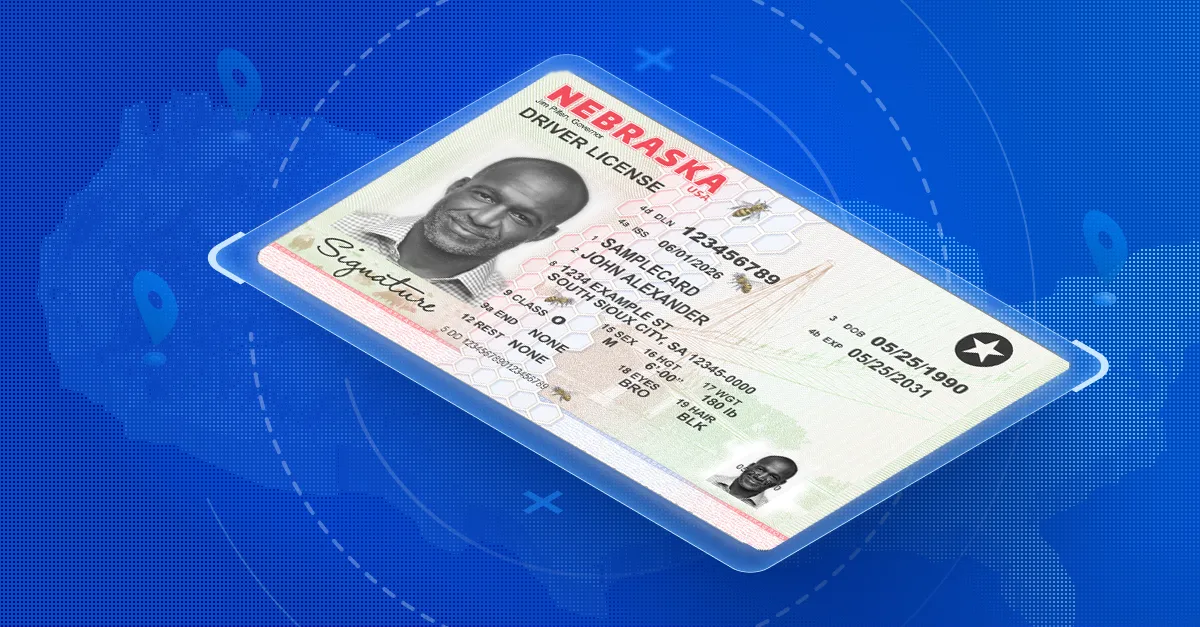
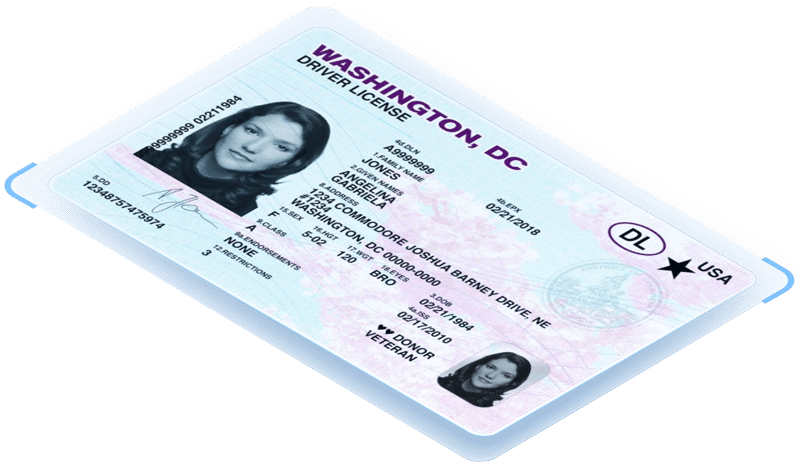
- Government ID verification
- Biometric age estimation
- Digital identity verification
- Document authentication and facial recognition
These tools allow platforms to confirm user eligibility while minimizing fraud and preventing underage access.
How Digital Identity Verification supports compliance
For organizations navigating the evolving regulatory landscape, identity verification solutions such as DIVE (Digital Identity Verification Engine) provide a scalable path toward compliance.
DIVE enables businesses to verify identities and confirm user age through automated document authentication and biometric verification.
Key capabilities include:
Government ID authentication
DIVE validates government-issued IDs to confirm the authenticity of the document and the age of the user.
Biometric identity matching
Facial recognition technology compares a live selfie with the photo on an ID to ensure the individual presenting the document is the rightful owner.
Fraud detection
Advanced AI models detect altered, forged, or synthetic identity documents.
Compliance-ready identity infrastructure
The platform helps organizations implement digital identity verification workflows that align with evolving regulatory expectations around online safety and age verification.
By integrating identity verification solutions like DIVE, businesses can build compliance frameworks that address both fraud prevention and child safety requirements.
Preparing for the future of online safety regulation
The Kids Online Safety Act represents a major shift in how lawmakers expect technology companies to protect younger users online. Although the legislation stops short of mandating identity verification, the practical realities of compliance will likely push platforms toward stronger age verification technologies. For businesses operating digital platforms, the message is clear: proactive investment in identity verification and safety infrastructure will be critical in the years ahead. Solutions like DIVE allow organizations to balance regulatory compliance, user privacy, and seamless onboarding experiences while preparing for the next generation of online safety regulations.