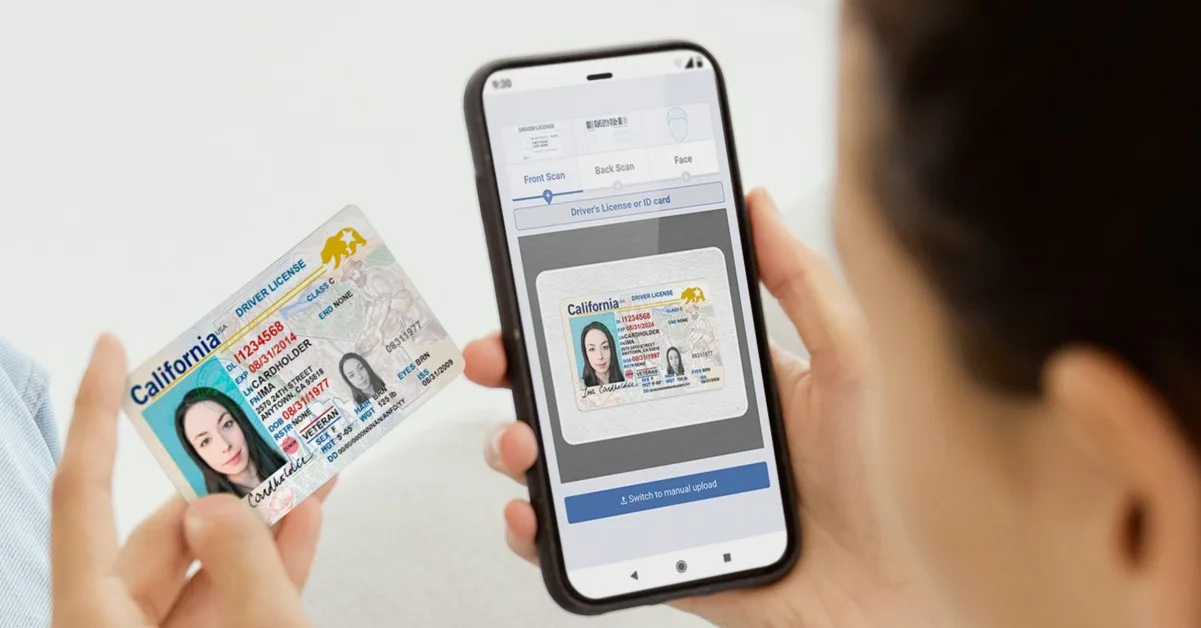
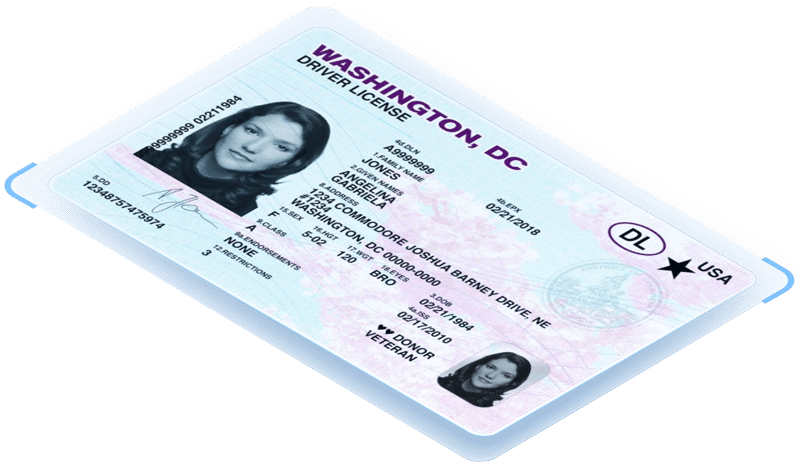
Oklahoma legislators are challenging a state agency’s plan to share driver’s license information with a private nonprofit organization that operates an interstate database used by 44 states to check the status of driver’s licenses. The lawsuit, filed with the Oklahoma Supreme Court, seeks to block the transfer of personal data, including names, dates of birth, and partial Social Security numbers, to the American Association of Motor Vehicle Administrators’ State-to-State (S2S) system. Lawmakers argue the agency lacks legislative authority to share this information and warn that once transmitted, the data cannot be retrieved. They especially emphasize concerns about the data of residents who chose non-REAL ID licenses, documents that are not federally compliant and have different privacy expectations.
While the state says that the S2S system is used only by other motor vehicle agencies and doesn’t centralize full records, opponents view the move as a potential erosion of privacy and an overstep of executive authority. Oklahoma residents currently have the choice between federal REAL ID-compliant credentials and non-compliant versions that generally can be used only within the state.
Implications for identity verification and identity fraud
At face value, data-sharing systems like S2S are designed to improve identity verification across states. Agencies rely on such tools to confirm whether a driver’s license is valid, suspended, or revoked elsewhere, information that’s crucial for law enforcement, licensing authorities, and even employers. This kind of cross-jurisdictional verification helps prevent individuals from evading sanctions by obtaining a license in another state.
The country is seeing a growing number of national debates about identity systems and the balance between efficiency and privacy. Critics of broad data sharing argue that expanding access, even to ostensibly secure systems, can create opportunities for function creep or unauthorized use.
From a fraud prevention perspective, consolidated or shared identity data systems prove to be a highly useful tool for agencies and businesses. Cross-state verification can make it harder for someone to hide a suspended or fraudulent license by moving to another state. Additionally, centralized checks can flag inconsistencies and help detect identity misuse earlier.
Bottom line
While the lawsuit centers on concerns about privacy and authority, it also highlights an important truth about modern identity infrastructure: responsible information sharing across state agencies is one of the strongest tools available to combat identity fraud.
Driver’s license fraud, duplicate identities, and individuals attempting to evade suspensions or criminal history by moving between states are longstanding challenges for motor vehicle agencies and law enforcement. Systems like AAMVA’s State-to-State (S2S) network exist specifically to close these gaps. When states can verify whether an identity already exists elsewhere, confirm the status of a credential, and detect conflicting records, it becomes far more difficult for bad actors to exploit state boundaries to create fraudulent identities.
Rather than representing overreach, carefully governed interstate data exchange can be viewed as an evolution of identity protection. Fraudsters rely on fragmentation between systems; legitimate identity verification depends on connectivity between them.
The key is not whether data should be shared, but how it is shared: with strict controls, clear legal frameworks, and limited, purpose-built access between trusted agencies. When done correctly, interstate verification systems don’t weaken privacy, they reduce fraud risk, improve trust in credentials, and strengthen the integrity of identity documents across the country.