As regulatory scrutiny continues to tighten across the United States, vape retailers are increasingly held to rigorous standards for age verification, and are, in some cases, required to use electronic ID scanning technology. While federal law establishes a nationwide minimum age of 21 for vape and tobacco products, and encourages age checks for anyone who appears under 30, certain states have gone further, requiring ID scanners or third party verification systems and tying these requirements to compliance defense and enforcement actions.
This guide breaks down the current landscape of ID scanning for vape sales by state, highlights unique mandates, and explains how solutions like VeriScan help retailers stay compliant in 2026.
What is ID verification and why does it matter
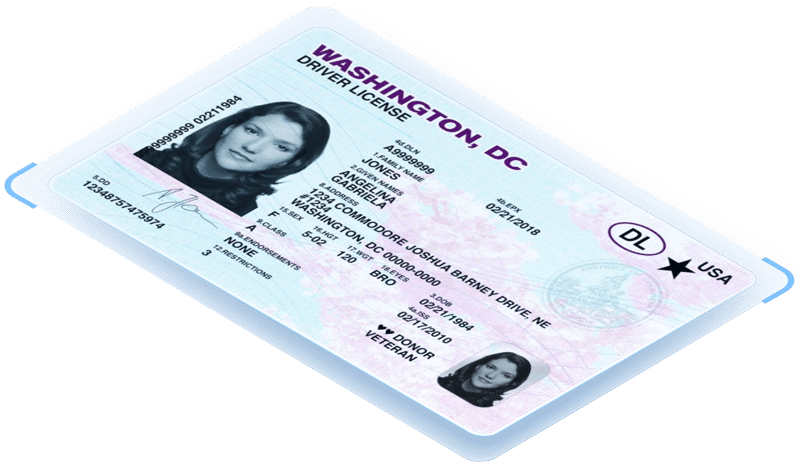
ID verification is the process of reading the machine-readable portion of a government ID (such as the PDF-417 barcode on a driver’s license) to automatically extract and verify essential information, such as date of birth and document authenticity. Unlike manual visual checks, ID verification reduces human error, flags suspicious or fraudulent IDs, and can maintain audit logs, all of which are valuable in high-risk regulatory environments.
Federal agencies like the FDA recommend checking IDs for anyone under age 30 before selling tobacco or vape products, and many states explicitly require ID checks; some go a step further with technology requirements.
States with explicit ID verification requirements
ID verification for vape sales in Nevada
Nevada is the most prominent example of a state that mandates ID scanning for the sale of tobacco and vape products. Under Nevada’s Assembly Bill 360 (now codified in NRS 370), retailers must use scanning technology or an automated software system to verify the age of anyone attempting to purchase tobacco products, including vape devices and e-liquids, who appears under a specified age threshold (often cited as under 40). This requirement applies in physical retail environments and online sales via ID uploads. Non-compliance can result in civil penalties of $100+ for each offense.
Nevada’s law is unique because it not only encourages but requires enhanced age verification controls, not just a visual check. Many retailers in high tourism areas like Las Vegas and Reno have since adopted ID scanners to meet the legal standard and protect against non-compliance actions.
States with general age verification requirements for vaping
Most states require retailers to ask for a government-issued photo ID and manually verify age before selling vape products, but do not legally require electronic ID scanning technology. In these jurisdictions, visual inspection of an ID is typically sufficient (though verification is often recommended to reduce risk and document compliance, while also acting as an affirmative defense should legal issues arise).
General compliance measures for vape sale age verification
Across a broad swath of states, including Alabama, Arkansas, California, Florida, Georgia, Iowa, Kansas, Kentucky, Louisiana, Massachusetts, Michigan, Minnesota, Mississippi, Missouri, Nebraska, New Jersey, New York, North Carolina, Ohio, Pennsylvania, South Carolina, South Dakota, Tennessee, Texas, Virginia, Washington, Wisconsin, Wyoming, and others, the law requires retailers to check a customer’s government ID to verify age before selling vape products, but does not explicitly mandate a specific scanning technology at the point of sale. In these states, a manual visual check satisfies the statutory requirement so long as the clerk verifies age and does not sell to a minor.
However, even in these states, retailers often adopt ID scanning as a best practice to create objective records and defend against compliance checks or enforcement actions. An ID scanner that captures age and flags expired or fraudulent credentials strengthens a retailer’s defense in the event of a violation.
States with other ID verification regulations for vape sales
Some states add complexity by imposing age verification on remote, mailing, or online vape sales, or requiring specific documentation during those transactions, but don’t enforce an in-store scanning mandate:
- Texas: While general in-store scanning is not universally mandated, online and mail orders of age-restricted products must verify age at purchase and delivery, and some states incorporate ID requirements into licensing and reporting obligations.
- California & Washington: Both require retailers to verify age and may restrict certain self-service displays or vending machines unless age is verified, but they do not require ID scanning by statute.
What this means for vape retailers
For most retailers, compliance involves asking for a valid government-issued photo ID for anyone who looks under a certain age (often under 30) and ensuring they are of legal age to purchase vape products. In states like Nevada that mandate ID scanning, compliance means adopting an electronic verification solution that automatically reads and validates ID credentials.
Even where ID verification is not legally required, scanning technology is increasingly seen as a best practice, both to deter underage sales and to create an audit trail that can protect a business during inspections or regulatory investigations.
New & pending legislative trends
As legislation evolves, more states are considering laws that would require age verification technology for online tobacco and vape sales, third-party verification services, or tighter controls on vending and self-service displays. These efforts reflect a broader trend toward technology-based age assurance in other regulated industries, including alcohol, cannabis, and even digital platforms.
While comprehensive new scanning mandates beyond Nevada remain rare at the state level as of 2026, proposed bills in various states aim to tighten online sales age verification and require age verification checks for digital commerce, which may indirectly influence how vape sales are regulated in the near future.
States with affirmative defense or explicit ID scanning law provisions
These states may not mandate scanning, but provide legal protections (such as affirmative defense) if an ID scan is performed. In enforcement actions (e.g., fines for selling to a minor), proof of scanning can reduce liability or negate it entirely.
Arizona, Connecticut, North Carolina, Ohio, Oregon, Pennsylvania, Rhode Island, Texas, Utah, West Virginia, New York
States where manual age verification is the legal default
In the following states, laws require retailers to visually inspect a government-issued ID to verify a purchaser’s age, but do not mandate electronic scanning. Manual checks are legally sufficient; however, scanning is recommended as a best practice to minimize enforcement risk.
Alabama, Alaska, Arkansas, California, Colorado, Delaware, Florida, Georgia, Hawaii, Idaho, Illinois, Indiana, Iowa, Kansas, Kentucky, Louisiana, Maine, Maryland, Massachusetts, Michigan, Minnesota, Mississippi, Missouri, Montana, Nebraska, New Jersey, New Mexico, North Dakota, Oklahoma, South Carolina, South Dakota, Tennessee, Vermont, Virginia, Washington, Wisconsin, Wyoming, District of Columbia
How VeriScan helps ensure compliance
Retailers who handle age-restricted products like vape devices and e-liquids face both legal risks and operational challenges. Simply requesting to see an ID is no longer enough in many environments, especially in states with enhanced age verification expectations.
VeriScan provides a robust solution that helps retailers meet scanning requirements where they exist and adopt best practices elsewhere:
- Automated age verification: VeriScan reads IDs and instantly verifies age details like date of birth, reducing human error and accelerating transactions.
- Fraud detection: Built-in algorithms detect fake, altered, or expired IDs with up to 95% accuracy, protecting your business from liability.
- Custom compliance rules: Retailers can configure VeriScan to flag any IDs that don’t meet their state’s age or scanning requirements.
- Audit logs: The system stores secure records of scans that can be invaluable during compliance checks or audits.
- POS integration: VeriScan can quickly and seamlessly integrate into a variety of POS platforms, allowing for advanced age verification practices with little to no downtime.
In states like Nevada, where ID scanning is a requirement, VeriScan helps ensure retailers meet statutory mandates. In states without explicit scanning laws, VeriScan’s digital records help document good-faith efforts to verify age and reduce the risk of violations during compliance inspections.
Conclusion
Although only a handful of states like Nevada currently mandate ID scanning technology for vape and tobacco sales, retailers nationwide are increasingly expected to adopt electronic verification to stay ahead of enforcement risk and document compliance. In most other states, asking for a government photo ID remains the legal default, but scanning strengthens age verification and reduces liability.
With legislative trends pointing toward tighter age verification, particularly for online commerce, and increasing audits by enforcement agencies, investing in tools like VeriScan is a strategic way to protect your business today and tomorrow.